
“You may never think about your water the same way again”
-Bridgette Nally, The INDY
Whiteside Theatre is throwing a solid one-two punch this month in close succession with two exciting and provocative screenings.
We hope to see more of these indie investigative pieces in the future. Attendance probably helps that cause… and in light of that…
Anyone reading this who goes to see both shows, email us a selfie at each one. You deserve a gift card to a local coffee shop. And we have one waiting for the first person who does this…. even if you like decaf.
We already took a look at the Fault Lines Screening on November 16th, which is hosted by Corvallis Housing First.
Fault Lines is a documentary that examines the political, bureaucratic, and profoundly human dimensions of the housing crisis. Something a lot of us can relate to.
Now, three days later, on November 19th, we are graced with a filmmaker’s investigation into pollution in their hometown’s drinking water. And another attendance bonus… this is a free screening. RSVP requested.
#ThanksWhiteside
The west coast premiere of GenX: The Saga of Forever Chemicals was directed by Eli Yetter-Bowman, and assistant director Sammy Bauer. Both are also scheduled to participate in a Q&A session after the screening concludes.
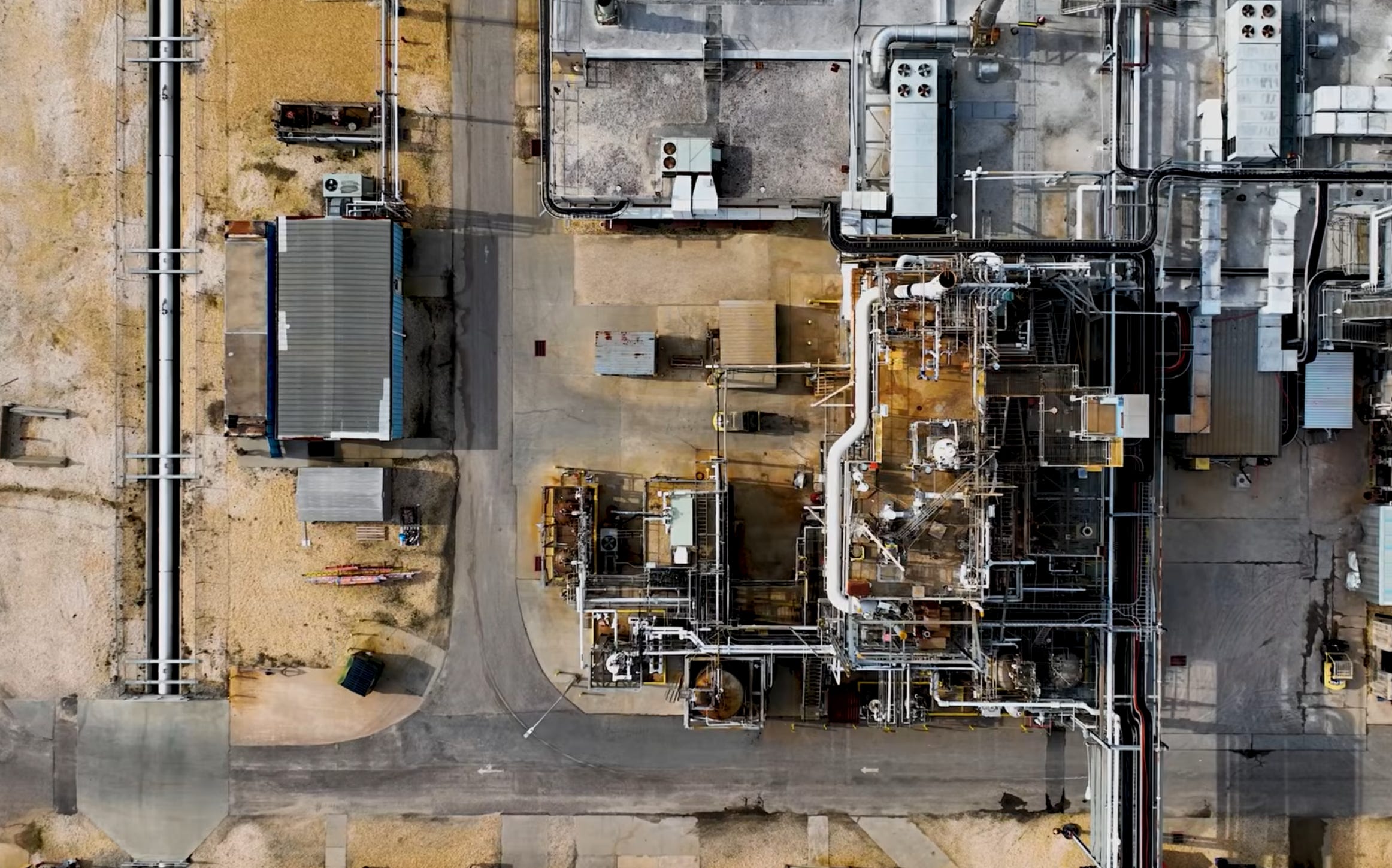
GenX: The Saga of Forever Chemicals (Photo courtesy of Ethereal Films)
The doc follows Yetter-Bowman’s effort to understand PFAS contamination in his North Carolina community and how locals campaigned for accountability from the chemical industry.
Promoted as a nine-year investigation, the film begins with the Cape Fear River and expands to examine the wider consequences of chemical pollution.
“toxic chemicals had been dumped into the Cape Fear River for over 40 years. This spurred a personal investigation by Eli, who grew up drinking that water. GenX is a 9-year journey to expose truth and the power of community”
For Yetter-Bowman, the chemical pollution affecting his town interrupted a different career path. He was a pre-med student at UNC when the news of the contamination affecting Wilmington started to make headlines.
In a personal account published by Ethereal Films, Yetter-Bowman described postponing graduate school to make a documentary that could explain the chemistry and its consequences to people back home.
That decision ended up growing into a filmmaking career focused on science and public engagement.
Yetter-Bowman received a 2023 National Academies Eric and Wendy Schmidt Award for Excellence in Science Communications.
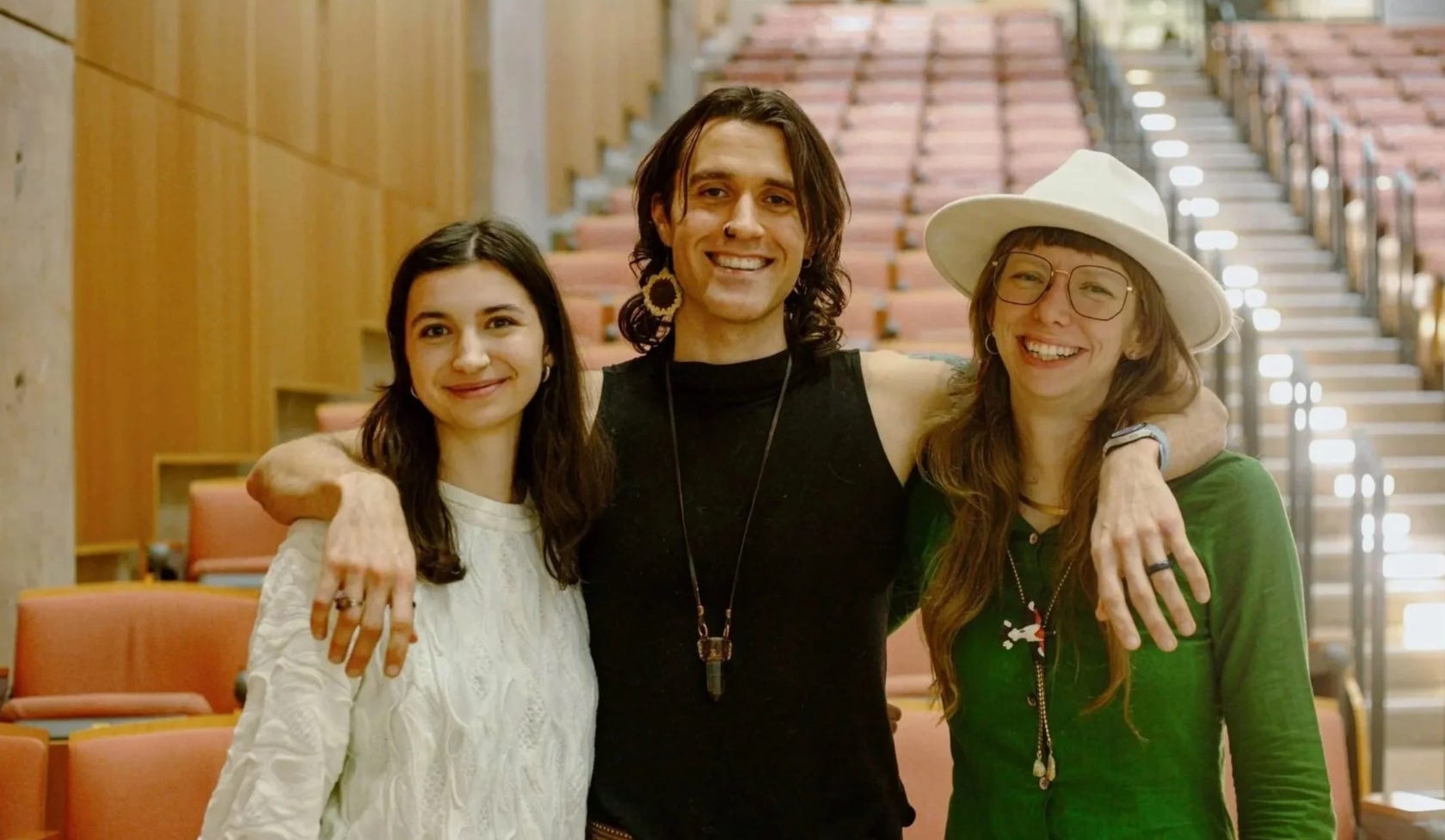
Director Eli Yetter-Bowman, assistant director Sammy Bauer and executive producer Ray Ellis. (Photo courtesy of Ethereal Films)
PFAS is short for per- and polyfluoroalkyl substances. They are a large group of manufactured chemicals used in products for properties such as resistance to water, grease, and stains.
GenX might not mean what you think. GenX is the trade name for a manufacturing process that uses PFAS chemicals. They are also often called “forever chemicals” because they do not readily break down in the environment, according to Oregon’s Department of Environmental Quality.
The North Carolina story involves both DuPont and its spinoff Chemours. State regulators started to investigate GenX in the Cape Fear River in June of 2017 and identified the Chemours Fayetteville facility as the producer.
The consequences remain current to this day. In September, North Carolina officials announced a $590 million agreement involving the state, 11 local governments, DuPont, and Chemours. $455 million in payments and a $135 million reserve to continue the cleanup and drinking-water obligations.
In an October 30th feature and interview for INDY Week, writer Bridgette Nally opened with a warning that viewers “may never think about your water the same way again.”
The screening is presented by the Oregon Environmental Council, Oregon State University’s College of Agricultural Sciences, and the Pacific Northwest Center for Translational Environmental Health Research.
The film trailer can be viewed below via YouTube, and you can RSVP for the free screening here.
This article was written by Derek S., a contributor to The Corvallis Inquirer. Feel free to send us your stories or articles to publish at: editor@corvallisnow.com
More recent stories:


→ Donate
We’ll still keep it ad-free and paywall-free even if you don’t. 100% of donations go to expanding local reporting, giving back to community causes, and minor operating expenses. Read more about our values and mission here.

Do you have a story for The Inquirer? Email: editor@corvallisnow.com


