

Journalists often use sensationalism in headlines because they attract clicks, which in turn makes money. There is no money here… but we do love a good sensationalist headline to attract the clicks. External affirmation. Guilty.
So guilty, in fact, that we should be thrown in the Benton County Jail. But there’s a problem…
During our arrest, the officer thought, “With the jail’s capacity issues, I might as well cite ’em and let them go, even after this offender wrote a sensationalist, semi-satire piece called Birds vs. Benton County.”
This would never happen. Police enforce the law, judges interpret and apply it. He arrests us, and we go before the judge.
The judge now has the same thought as the law enforcement end. It alters their decision… due to circumstance. Due to the systematic lack of capacity to hold us accountable.
This isn’t really about our poor writing choices… or sensationalist headlines. It’s more about the fact that we didn’t write one this time.
Jail Shortage Affected Judge’s Decisions. Law Enforcement said it changed arrest practices.
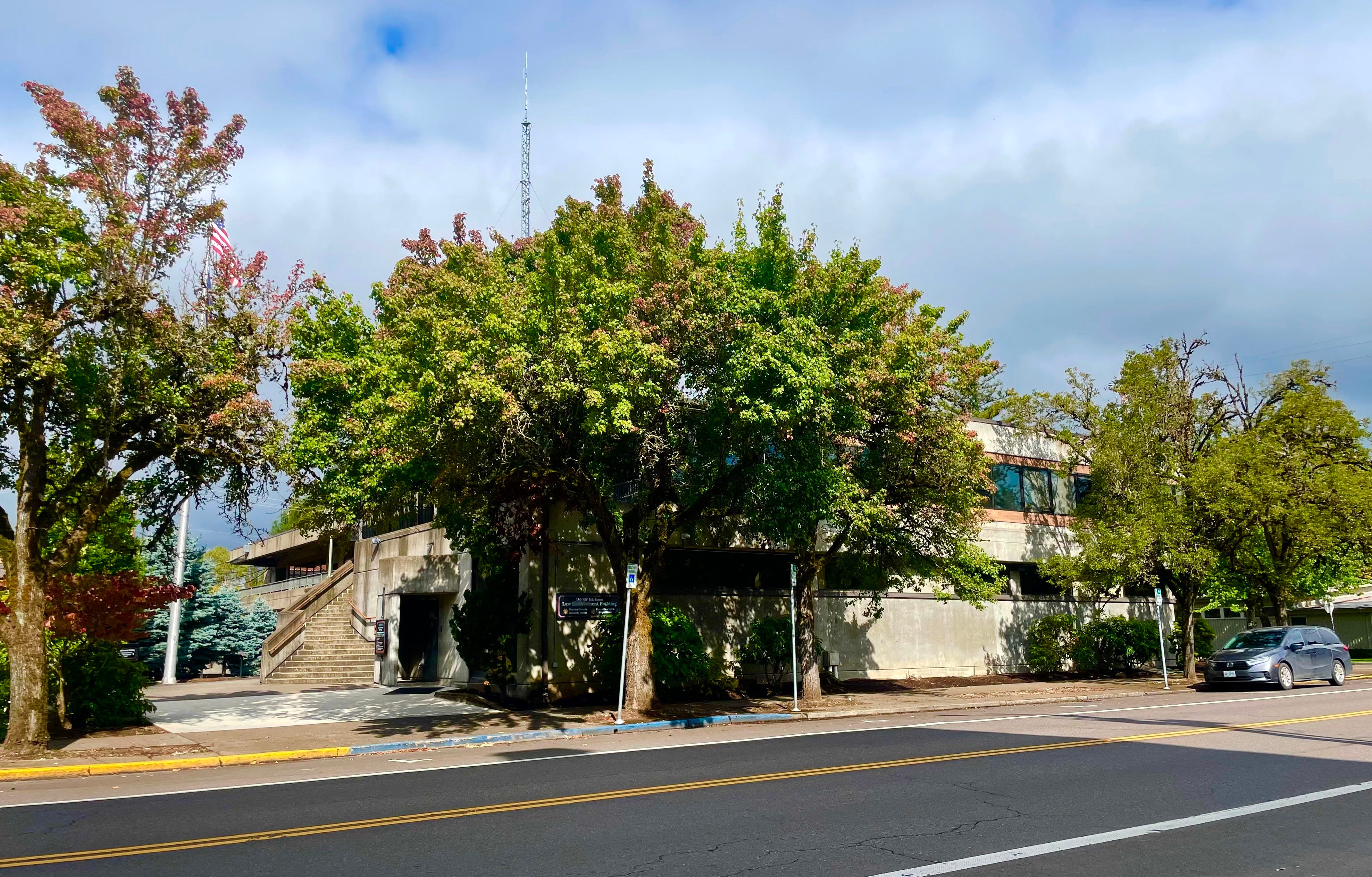
(Photo: Benton County Law Enforcement Building/The Corvallis Inquirer)
The report is titled “Jail and Justice System Assessment.” It was prepared for Benton County through the National Institute of Corrections.
The initial report has been covered before. But the new final Jail and Justice System Assessment was delivered on August 5. It is included in the packet for the Benton County Board of Commissioners’ September 8th meeting.
A large portion of the new, more detailed report was based on interviews with staff. The federal assessment states that the Benton County Jail’s limited capacity is influencing decisions made by local law enforcement officers and judges. Here is an exact excerpt from the report:
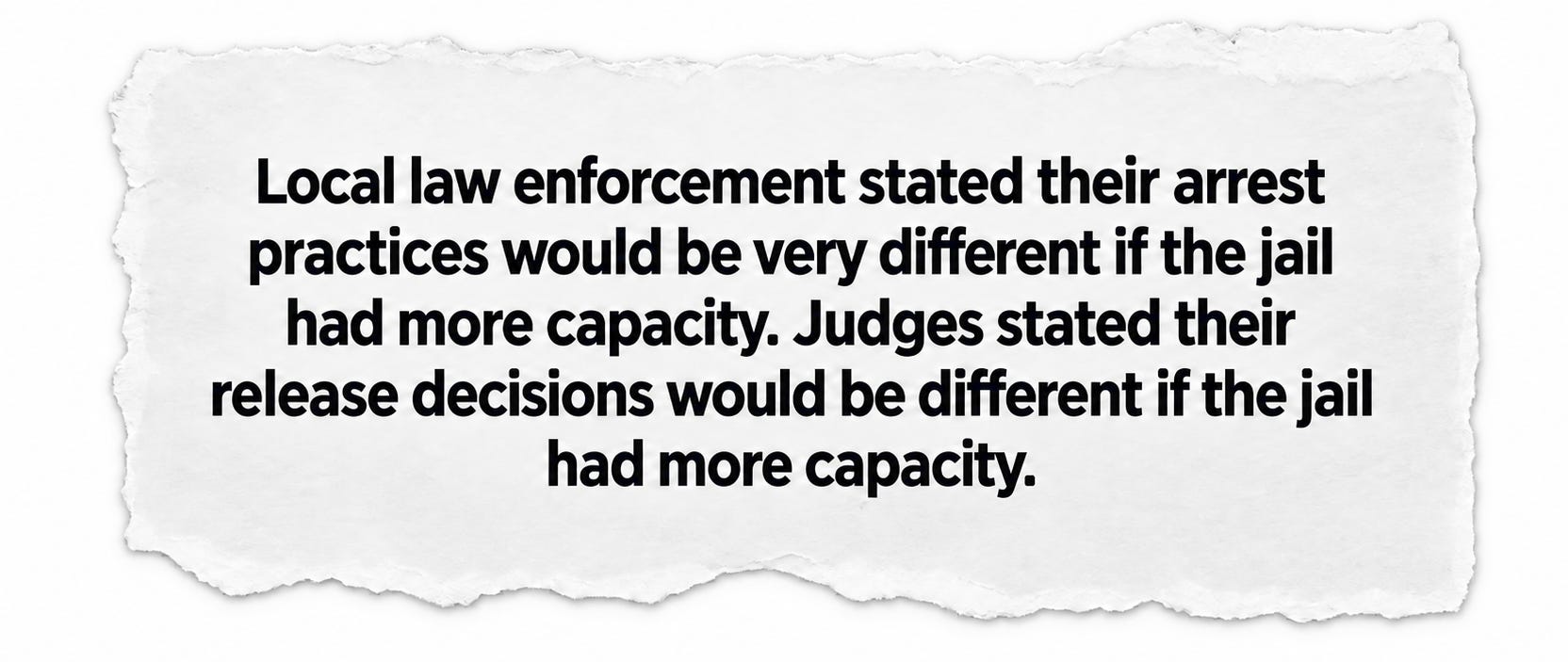
According to the report, the jail’s recorded population understates the true demand for incarceration because years of severe capacity constraints have influenced whom local authorities arrest, accept into custody, or continue to detain.
The report does not identify the judges or law-enforcement officials interviewed, nor does it provide examples involving individual cases. It is also plausible that some of those interviewed support building new facilities, and these statements could have been made with that agenda in mind.
The conclusions are presented as a summary of the interviews conducted by the assessment team with officials throughout Benton County’s criminal justice system.
The report also states that the jail frequently refuses to accept arrested individuals because of insufficient capacity. Consultants documented “frustration” among local criminal justice partners over those refusals, as well as the extensive use of citation and release.
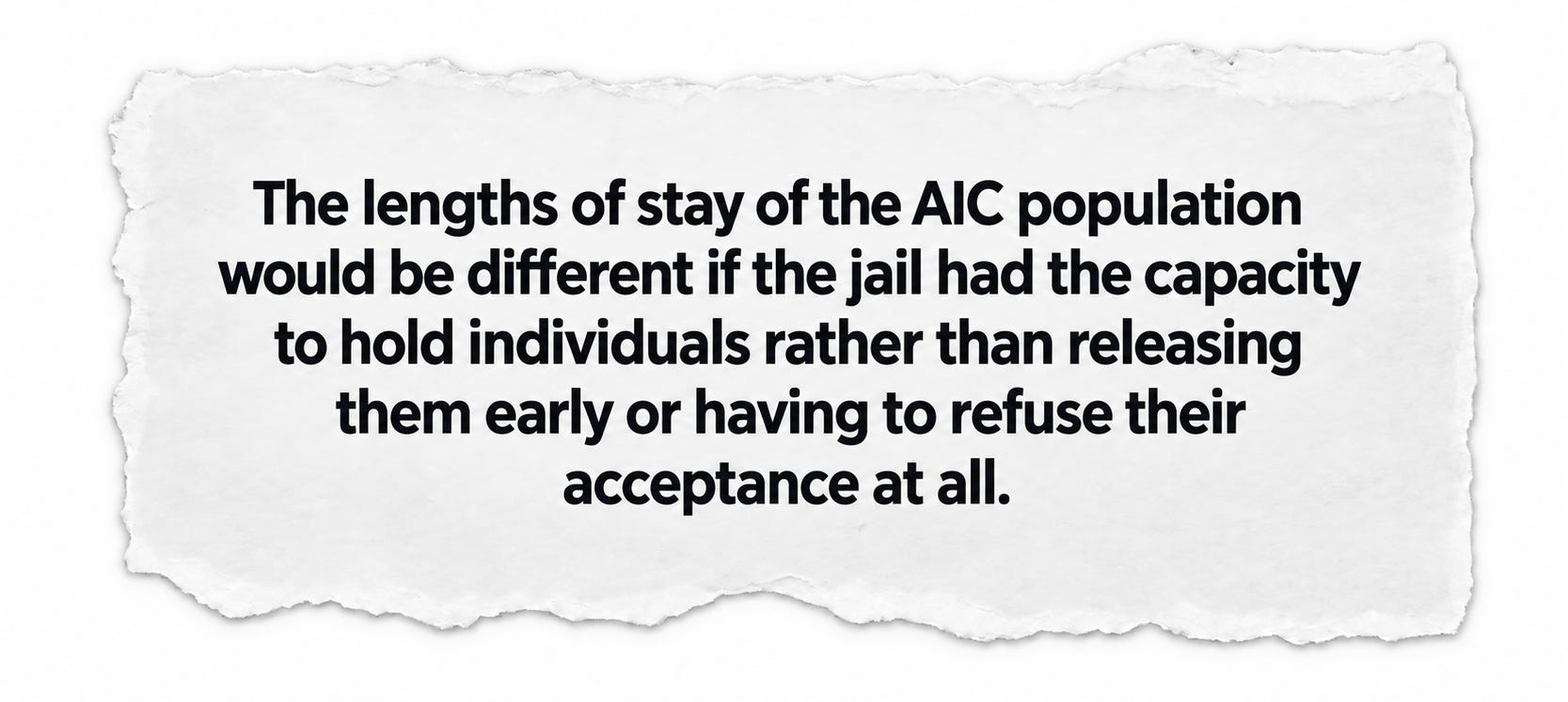
Benton County’s jail opened in 1976 and has now been operating for 50 years. The assessment describes its physical design as outdated and says it lacks sufficient room to separate people by custody level or safely house those with heightened medical, mental-health, or security needs.
The County has partly compensated by renting jail beds elsewhere. The federal assessment says more than half of Benton County’s incarcerated population is housed in other jurisdictions, requiring deputies to transport people between counties and back to town for court proceedings.
The assessment does not recommend that Benton County construct a new jail. Instead, it calls for a detailed examination of arrests, bookings, releases, case-processing times, and alternatives to incarceration.
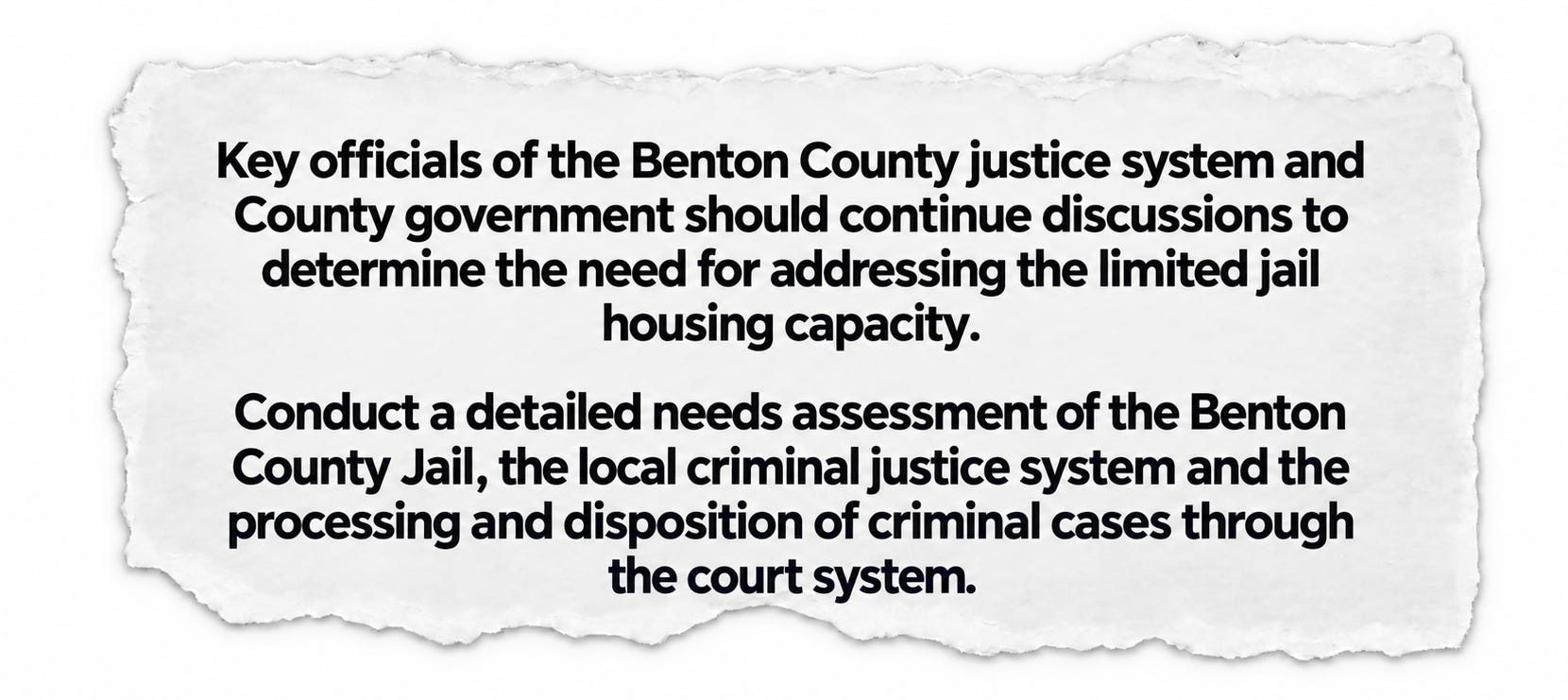
The consultants recommend exploring expanded pretrial programs, probation options, community supervision, and other alternatives that could reduce reliance on incarceration.
According to the assessment, new jail construction generally accounts for 10% of a jail’s lifetime cost. Staffing and other recurring operational expenses make up the remaining 90%.
That context is important from a public perspective, as are the consultant recommendations. Voters rejected funding measures for a new jail in 2015, and then again in 2023. Even if the County eventually identifies funding to construct a replacement facility, it would still need an ongoing source of revenue to operate it.
The report and its findings open a much larger can of worms than we can tackle here. It raises questions about incarceration versus rehabilitation, the equitable administration of justice, funding and county budget priorities, the sequencing of major public projects, systemic shortcomings, aging infrastructure, and a host of other social, financial, and policy considerations.
The Board of Commissioners is scheduled to accept the final assessment on September 8th and provide staff with direction on the next phase of planning.
Either way, we flew the nest. Birds vs. Benton County didn’t get us caged, even though they had probable caws to do it. We also learned a valuable lesson about using a play on words to create sensationalist headlines. The overt threat of consequence should stop us in mid-flight.
The full 65-page report can be found here in Benton County’s September 8th meeting portal.
This article was written by Brian Lindensmith, a contributor to The Corvallis Inquirer. Feel free to send us your stories or articles to publish at: editor@corvallisnow.com
More recent stories:


→ Donate
We’ll still keep it ad-free and paywall-free even if you don’t. 100% of donations go to expanding local reporting, giving back to community causes, and minor operating expenses. Read more about our values and mission here.

Do you have a story for The Inquirer? Email: editor@corvallisnow.com


