
The reservoirs that supply the Willamette Valley with water, flood protection, hydropower, and summer river flows are sitting at historically low levels, which has raised concerns about how the region will make it through the remainder of the dry season.
According to a recent report by the U.S. Army Corps of Engineers (USACE), the Willamette Valley reservoir system is only about 48% full, well below where they would normally like it to be in late July. USACE officials described 2026 as one of the driest years in decades, with the valley experiencing its sixth-driest combination of rainfall and snowpack since 1980.
The low reservoir levels stem from a winter that produced very little mountain snow, which means low snowpack, followed by below-average spring precipitation. Normally, melting snow gradually refills reservoirs well into early summer. This year, there wasn’t enough snow to replenish storage.
USACE officials have described the situation as a “double-whammy.”
The Willamette Valley’s 13 federal reservoirs are managed for more than just recreation. Every gallon stored behind the dams has multiple jobs.
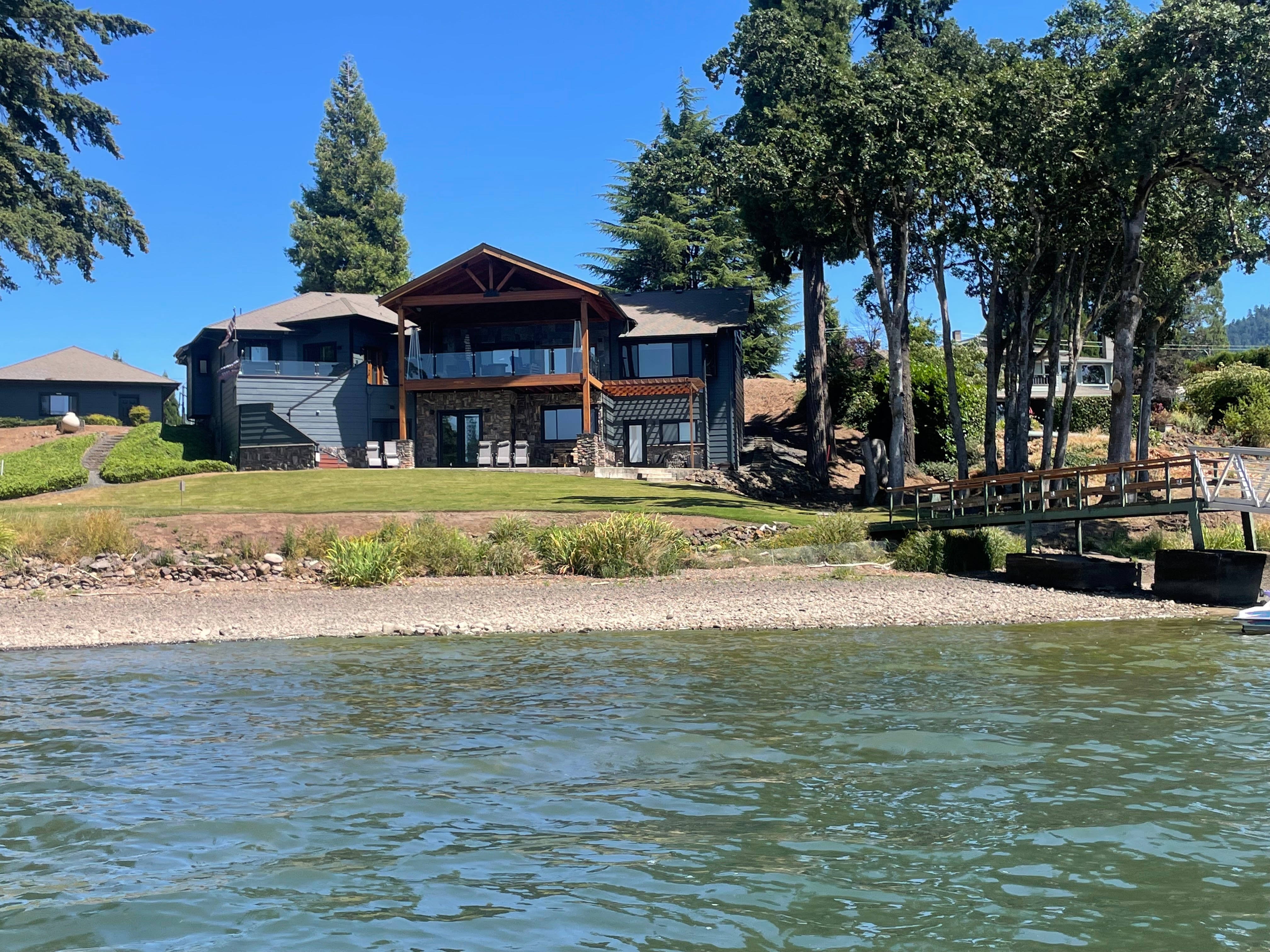
(Photo: a dry dock on Lookout Point Reservoir/The Corvallis Inquirer)
Throughout the year, the Army Corps balances flood protection, hydroelectric power generation, irrigation, water quality, fish habitat, recreation, and maintaining enough downstream river flow for communities throughout the valley. During winter, reservoirs are intentionally drawn down to create space for floodwaters. They are normally refilled during spring so that water is available during Oregon’s dry summers.
This year, reservoir managers simply did not receive enough runoff to refill them. While conditions vary across the basin, several reservoirs are especially depleted.
As of mid-July, USACE reported:
Cougar Reservoir: 20% full
Green Peter Reservoir: 23% full
Hills Creek Reservoir: 23% full
Lookout Point Reservoir (pictured above) : 40% full
Blue River Reservoir: 53% full
Some do remain in better shape, including Foster Reservoir at approximately 96% full. Conditions can differ across individual watersheds, but the entire Willamette Valley system remains below normal.
For most residents here, there is no immediate concern about running out of water. Corvallis draws 70% of its municipal water directly from the Willamette River, and about 30% from the Rock Creek Watershed on the east slopes of Mary’s Peak. Officials have not yet indicated that public water supplies here are at risk or under significant stress like other areas in the valley.
Low reservoirs can still affect us in several ways. River flows released from upstream reservoirs help maintain cooler water temperatures for endangered salmon and steelhead during hot weather. Hydroelectric production may also be reduced, potentially increasing reliance on other electricity sources.
The current challenge facing water managers is deciding when and how much water to release. If too much water is released now, reservoirs may not have enough storage to support rivers later in August and September, when streamflows are typically at their lowest. But holding too much water upstream could reduce downstream river flows needed for fish, water quality, agriculture, and communities that rely on it.
"We know how deeply the communities of the Willamette Valley value this river system and rely on these reservoirs, so we are doing everything we can to carefully manage every drop of water we have. Our priority is to support the people, the local economy, and the environment by balancing these critical, competing needs through the difficult months ahead.” Salina Hart, chief of reservoir regulation and water quality for the Portland District, said while describing how the Corps is balancing competing demands throughout the basin.
This article was written by Brian Lindensmith., a contributor to The Corvallis Inquirer. Feel free to send us your stories or articles to publish at: editor@corvallisnow.com
More recent stories:


Do you have a story for The Inquirer? Email: editor@corvallisnow.com


→ Support us
We’ll keep it ad-free even if you don’t.

