

If the city manager says something is “constructive for the community to hear,” we are not the ones to decide whether to write about it or not. Our job is to inform, especially if the highest-ranking city official makes a statement like that.
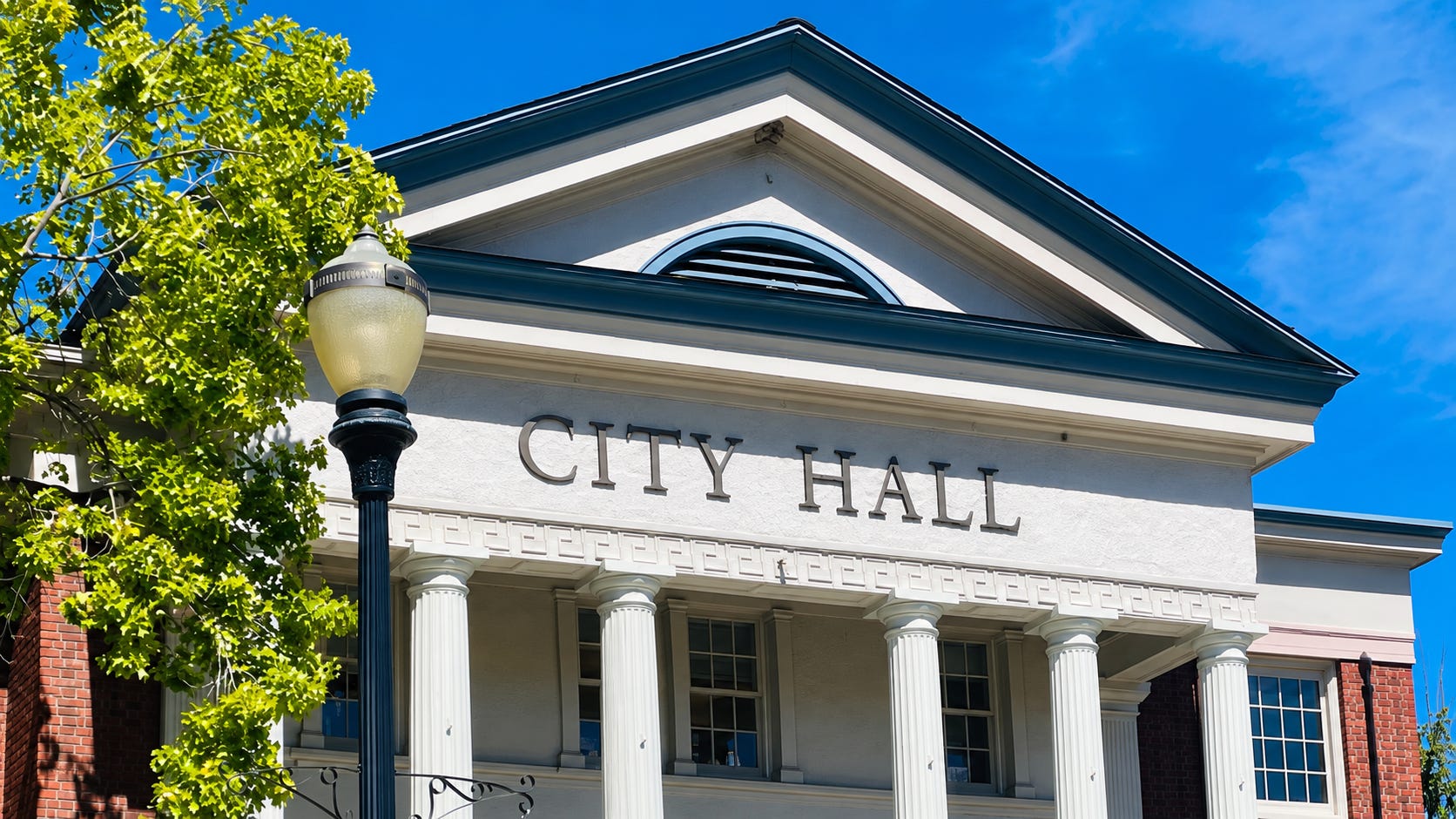
(Photo: Corvallis City Hall/The Corvallis Inquirer)
Targeted talking points, examples to back them up, a dose of reality, a sense of urgency, lessons learned, and hard truths. Here we go.
City Manager Mark Shepard told the City Council on October 5th that past decisions without sustainable funding have left today’s city government dealing with the consequences.
Sustainable funding is the key phrase there.
Shepard pointed out multiple past examples of commitments made without sufficient plans for their ongoing and future costs.
“When I got here about 11 and a half years ago, I started to learn about the history and track record of Corvallis,” Shepard said. “I’ll say the track record hasn’t been great as far as that long-term, sustainable stewardship.”
-
“The community passed a bond measure to buy 450 acres of additional park property and natural areas, but no plan for how to maintain that property, and no plan for how to maintain the property we have.”
Shepard was referring to the city’s 2000 open-space bond measure, which authorized $7.9 million to acquire approximately 450 acres. The measure funded land purchases and access improvements, but did not identify dedicated funding for ongoing maintenance.
-
“You’re all aware of Fire Station 5. The city moved forward and built Fire Station 5 with no sustainable plan for staffing it. Fire Station 5 has now been closed. And I know that happened before I got here.”
Fire Station 5, located on Northwest Fair Oaks Drive, closed in 2012 because of budget cuts, and the department lack of staffing needed to keep it operating permanently.
-
In reference to the “2015 Corvallis Parks and Recreation Master Plan”, which was adopted shortly before he started in the same year. Shepard said, “It’s an aspirational plan. Everyone would love it, the problem is, it’s not grounded in the reality of how you afford all those property improvements, let alone the maintenance of all those things.”
The plan cited is the city’s roadmap for improving parks, trails, recreation facilities, and services. It identifies community priorities and recommends short-, mid-, and long-term investments.
-
Inside the organization, Shepard said he found no proactive approach to maintaining buildings over the long term. He described facility maintenance as “ad hoc, catch-as-catch-can,” with repairs handled through individual budget decisions rather than a sustained maintenance plan. “Let’s go fix the roof,” he said, illustrating that approach.
“Similarly, there was no plan for IT infrastructure,” Shepard said. The city did not have a citywide IT department, and “departments kind of did their own thing.” He said the organization also lacked a plan for replacing hardware and software.
-
Shepard also cited limits in the municipal code on utility rate increases and how they hindered the city’s ability to keep up with operating costs, or, might we say, sustainability. “We couldn’t raise our rates to keep up with inflation”. He said the city now has a plan for dealing with those constraints, but they are “working from behind.”
-
Shepard’s whole point was that buying land and building facilities is only the beginning step. The city must also take steps for staffing, maintenance, and sustainability of these undertakings. Otherwise, those costs become problems for future councils and residents.
Thankfully, some future council candidates were there in the audience listening.
He raised those examples to explain how Corvallis reached its current facilities challenges and why long-term planning matters.
“The city has been kind of living large, making decisions in the moment, and has borrowed from the future,” Shepard said. “The future has arrived. We are the future of those past decisions.”
Past lessons learned, costs inherited, and the “Corvallis of now” left holding the bag.
This article was written by Jesse Grant, a contributor to The Corvallis Inquirer. Feel free to send us your stories or articles to publish at: editor@corvallisnow.com
More recent stories:


→ Donate
We’ll still keep it ad-free and paywall-free even if you don’t. 100% of donations go to expanding local reporting, giving back to community causes, and minor operating expenses. Read more about our values and mission here.

Do you have a story for The Inquirer? Email: editor@corvallisnow.com


