

It served as a residence, studio, and office of one of Oregon’s most pioneering architects. The Edith Yang house is now being considered for placement on the National Register of Historic Places.
Are we supposed to post the address for these types of things? You’ll Google it anyway. Maybe. “Arts & Culture” isn’t always a huge draw. Thank god for not worrying about clicks and ad revenue.
The house, located at 1020 NW 30th St., was designed by Yang herself in 1951 and constructed by her husband, Hoya Yang. It was the first completed independent design of a career that would leave its mark on local homes, public buildings, and the OSU campus.
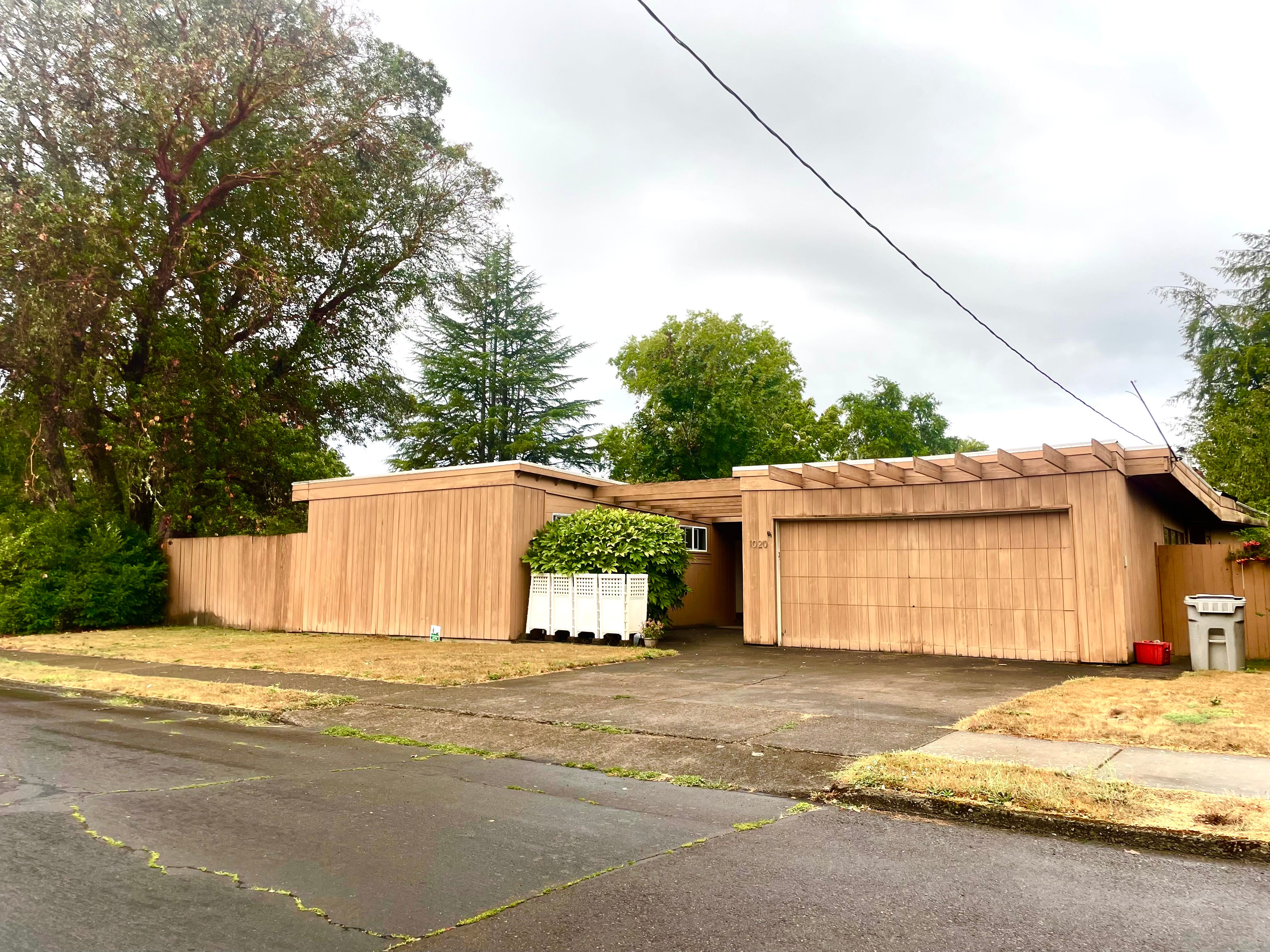
(Photo: Edith Yang House/The Corvallis Inquirer)
We were expecting more from a visual perspective when we cruised by this morning as well. But there most definitely is more. A photo doesn’t always tell a thousand words. And the walls don’t have to speak.
The Corvallis Historic Resources Commission is scheduled to review the nomination on September 8th. Oregon’s State Advisory Committee on Historic Preservation is expected to consider it during an October 15th meeting here in town. A favorable state recommendation would allow the nomination to advance to the National Park Service for a final decision.
It’s important to understand that this is much more than just a house.
It’s not being nominated only as an example of midcentury architecture. Its larger significance is its connection to Yang, who became the first woman of color licensed as an architect in Oregon in 1954.
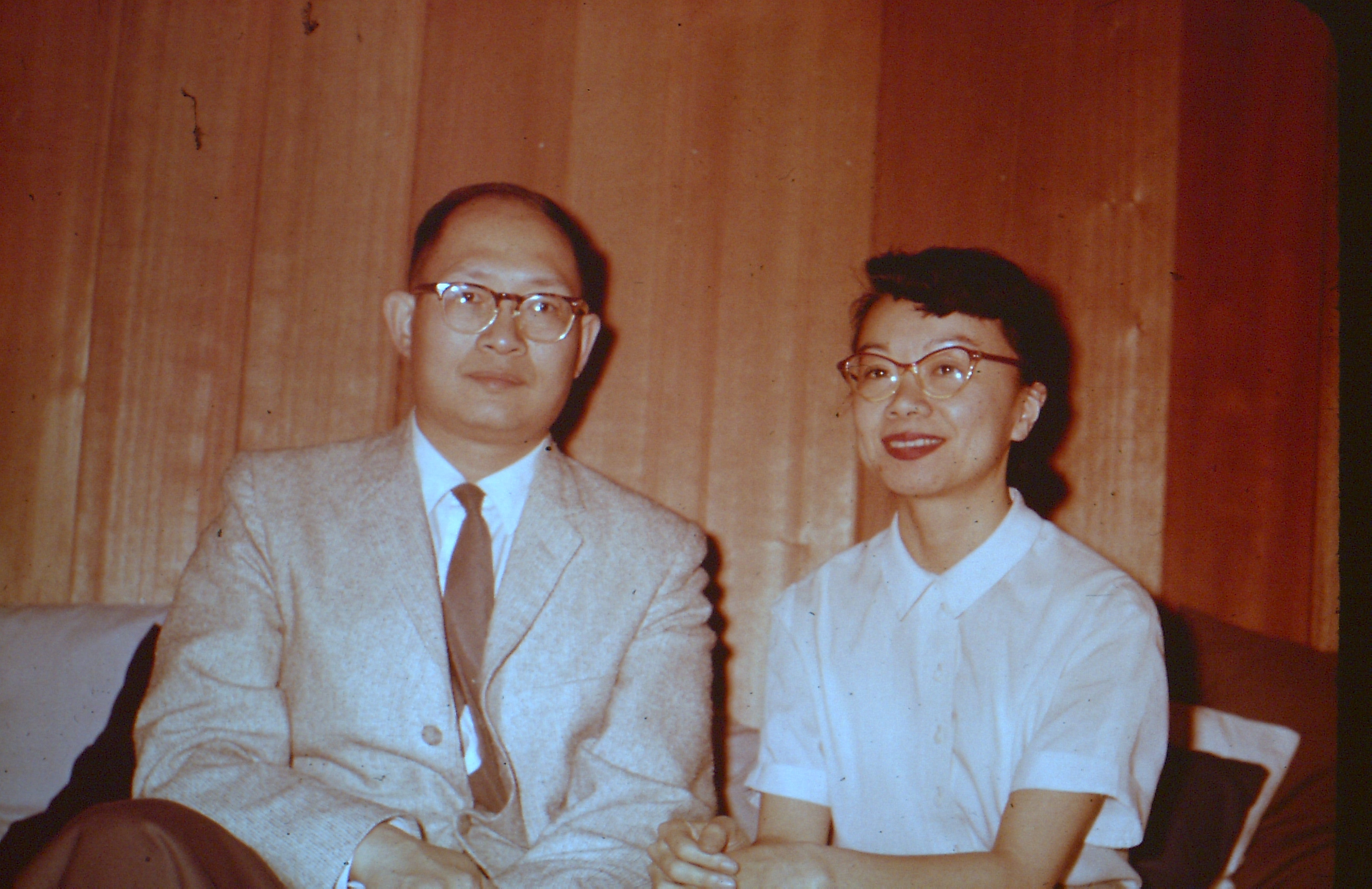
Yang was born in Portland in 1918, she studied at Reed College, Portland’s Museum Art School, the University of Oregon, Oregon State University, and Columbia University. During World War II, she worked as a draftsperson for the Kaiser Company’s Vancouver shipyards.
After earning her architecture license, Yang opened a private practice inside the home. She purposely designed the house with a dedicated studio and office where she drew plans, met with clients, and operated her practice until retiring in 2000.
The 2,130 sq ft house was obviously influenced by Frank Lloyd Wright’s ideas about organic architecture. It has a low profile, butterfly roof, redwood siding, recessed courtyards, and large windows that connect its interior to the surrounding garden.
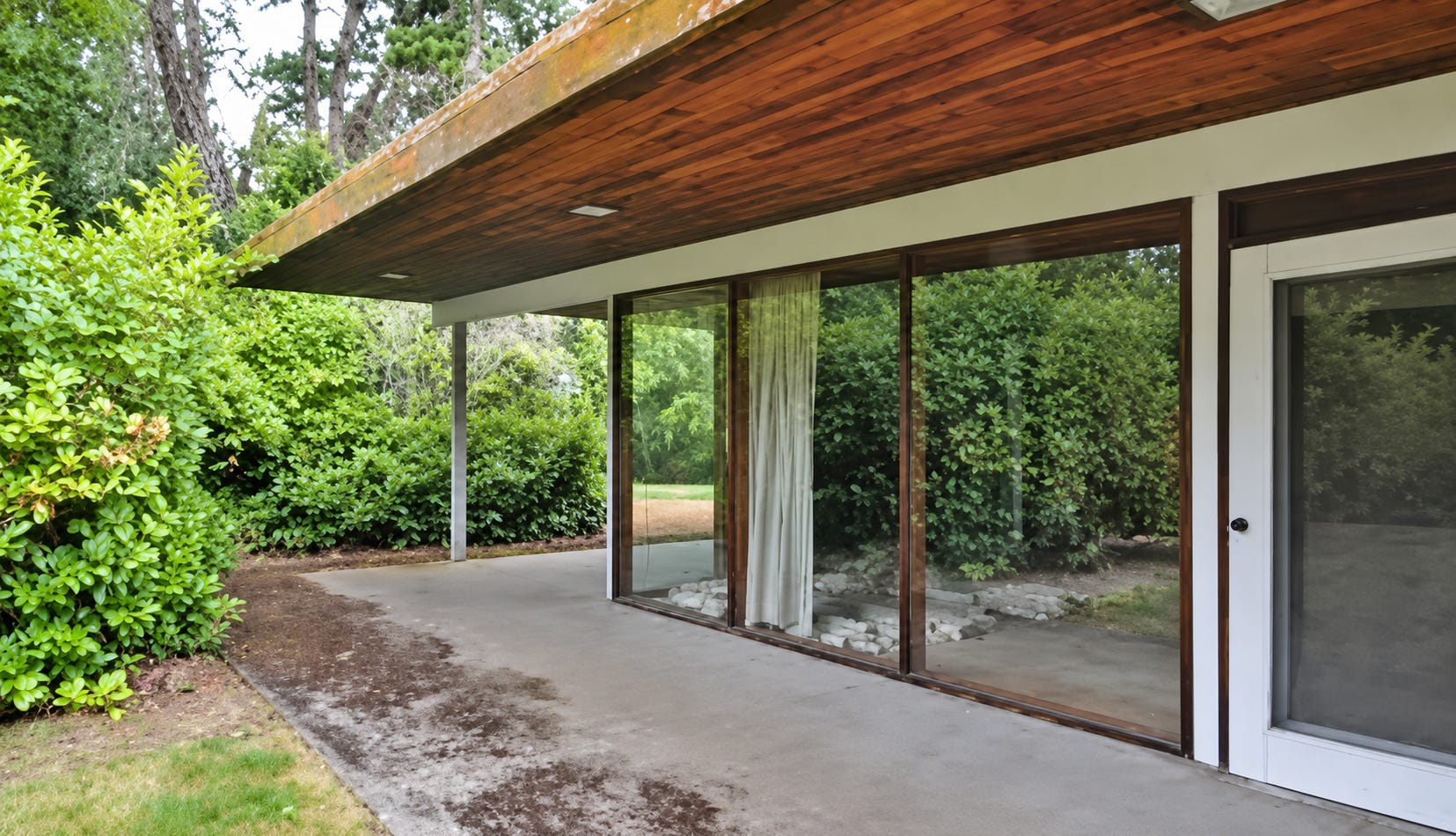
(Photo: Edith Yang house/Corvallis)
Inside, the house includes radiant heating beneath its concrete floor, built-in cabinets and furniture, a kitchen skylight, and locally produced bricks used in its fireplace. Yang divided the home into public and private areas while placing the kitchen near the center of family life.
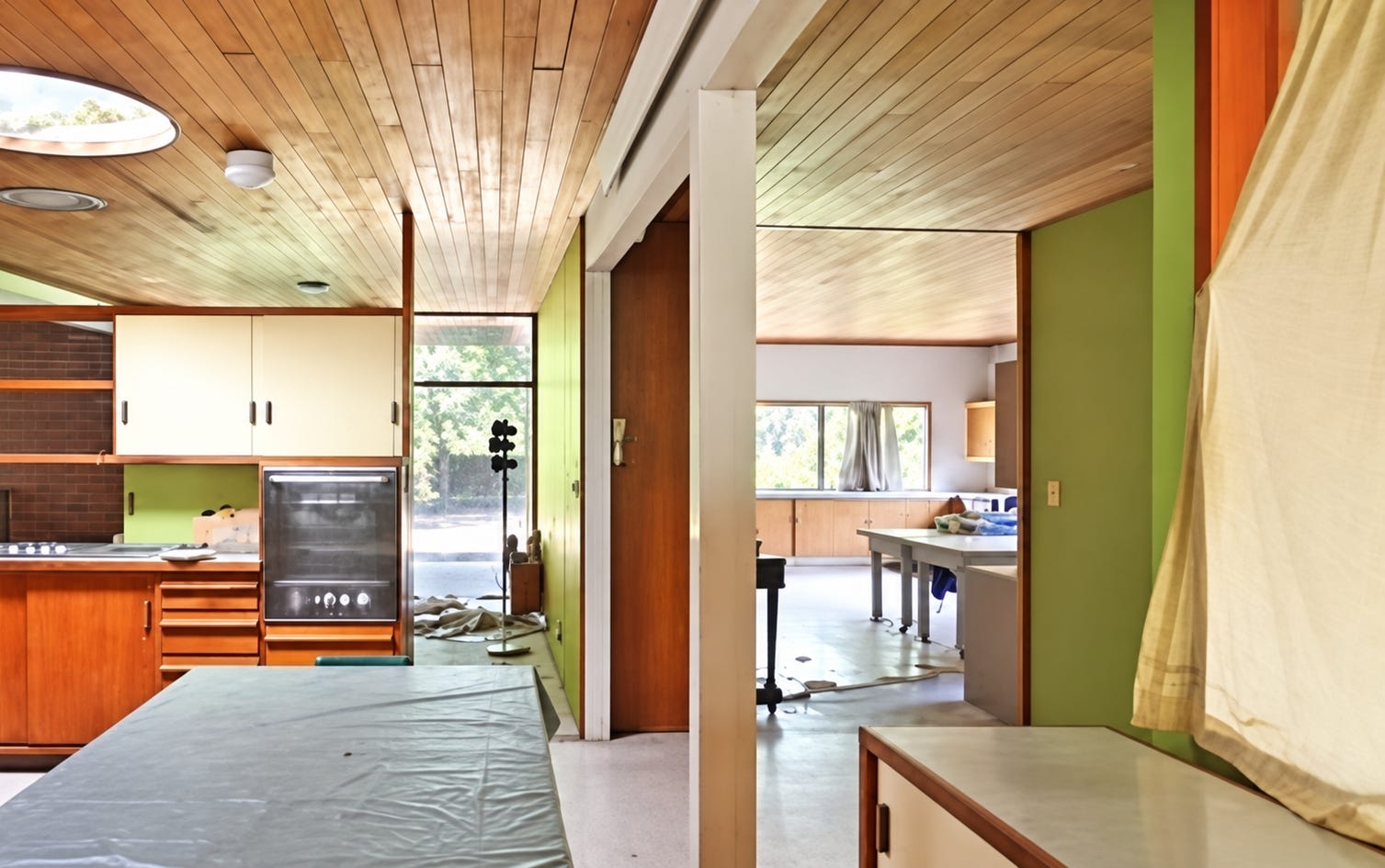
The house also incorporates passive solar heating through the placement of large south-facing windows, which, at the time, was an unusually forward-looking feature.
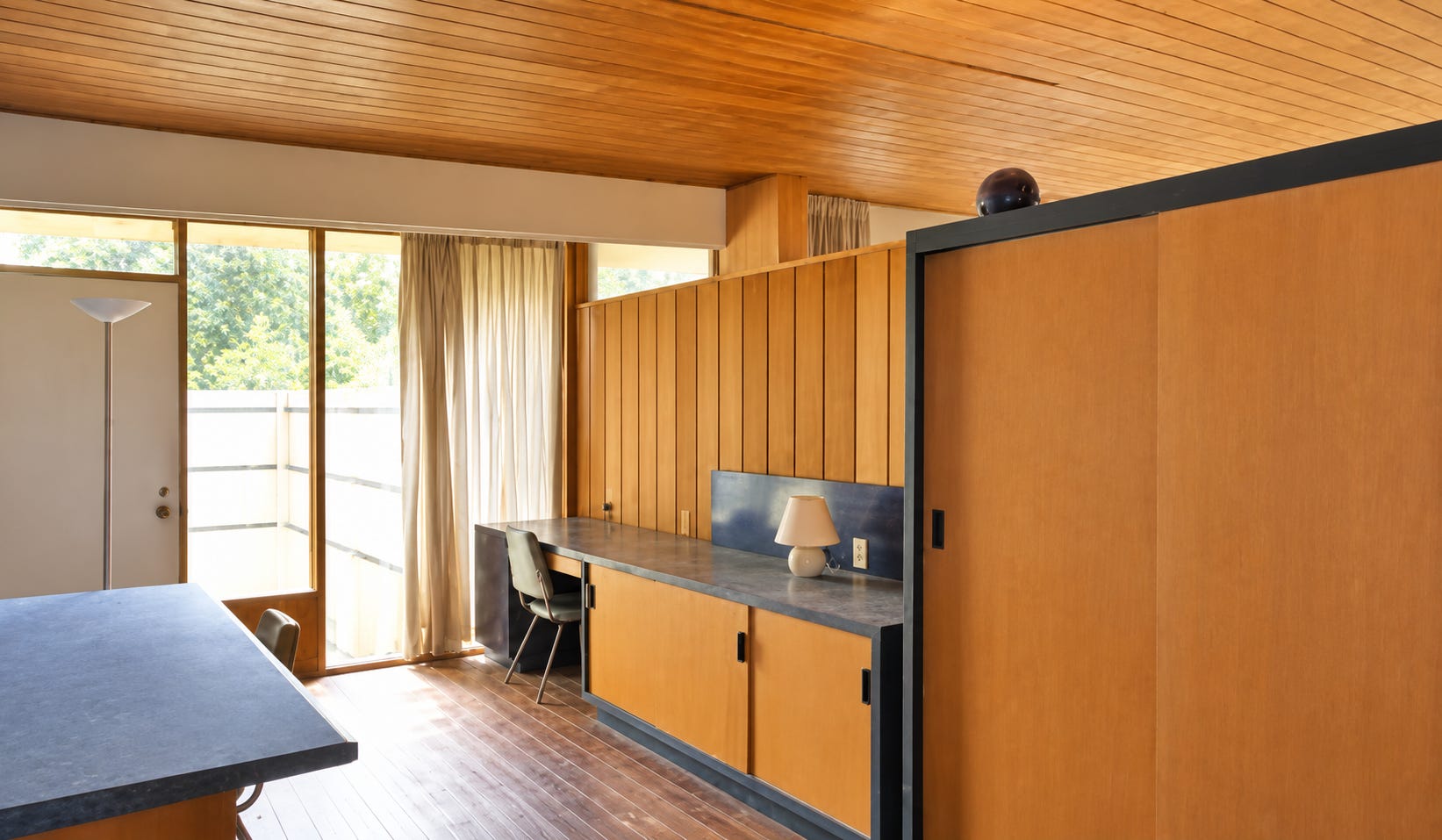
Several of Yang’s local designs remain standing. The National Register nomination identifies Spencer’s Seed Store at 144 NW Second St., now the OSU Folk Club Thrift Shop; the former Chintimini Park Fire Station at 2601 NW Tyler Ave., now the Corvallis Community Center; and Shupe Furniture at 1400 NW Ninth St., now the Elks Club, among her surviving works.
I drive by that Elks Club almost daily on my way to work. I never would have guessed. But now it fits, And there is a story to go along with the visual.
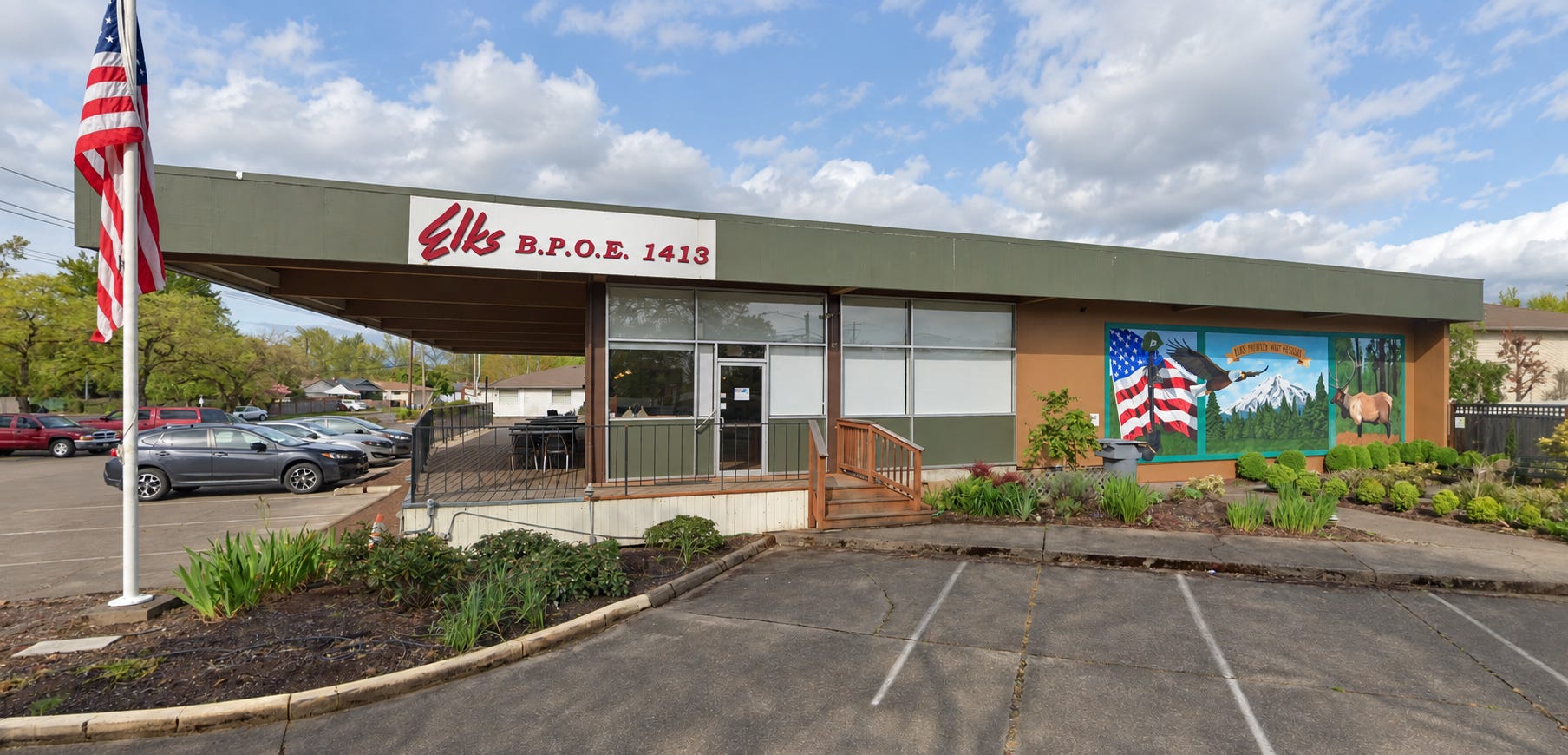
Yang also designed several homes around NW 30th Street and OSU facilities, but her influence on Corvallis extended beyond buildings. Yang helped initiate the City’s downtown street-tree program, chaired a riverfront environmental task force, and served with the Linn-Benton Housing Authority.
One of the most visible pieces of the Yang property is not the house itself, but the enormous Pacific madrone growing beside it.
Hoya Yang planted the tree around 1951 to complement the home his wife was designing. Since planting, it has grown to approximately 68 feet tall, with a crown spreading roughly 70 feet. The tree was officially dedicated as an Oregon Heritage Tree in 2018.
Hoya also had his own unusual place in Oregon history. As an Oregon State food scientist, he is credited with influencing the beginnings of Oregon’s wine industry and contributing to the development of the modern-day maraschino cherry.
Revenir, owned by Bluebird Hill Cellars in Monroe, recently opened in downtown. Wouldn’t it be awesome to make a cherry-influenced wine to honor these contributions from our city? Just an idea. Wink. Nudge.
Either way, more than a tree was planted at this location, and more than just a house was built. The family is an important piece of local history. Their branches extend throughout our entire town in more ways than one.
This article was written by K. Hewlitt at The Corvallis Inquirer. Feel free to send us your stories or articles to publish at: editor@corvallisnow.com
→ Donate
We’ll still keep it ad-free and paywall-free even if you don’t. 100% of donations go to expanding local reporting, giving back to community causes, and minor operating expenses. Read more about our values and mission here.

Do you have a story for The Inquirer? Email: editor@corvallisnow.com


