
At a Glance: The Proposed Revisions
Scope: Affects 2.5 million acres across 17 Western Oregon counties.
Logging Levels: Seeks a return to 1960s-era “maximum” production (roughly 1 billion board feet annually).
Protections: Proposes eliminating many “Late Successional Reserves” (old-growth areas) and reducing river buffers.
Public Comment Deadline: March 23, 2026.
CORVALLIS – Local conservationists are sounding the alarm this week following a new announcement from the Bureau of Land Management (BLM) that could fundamentally reshape the landscape of Western Oregon’s public forests.
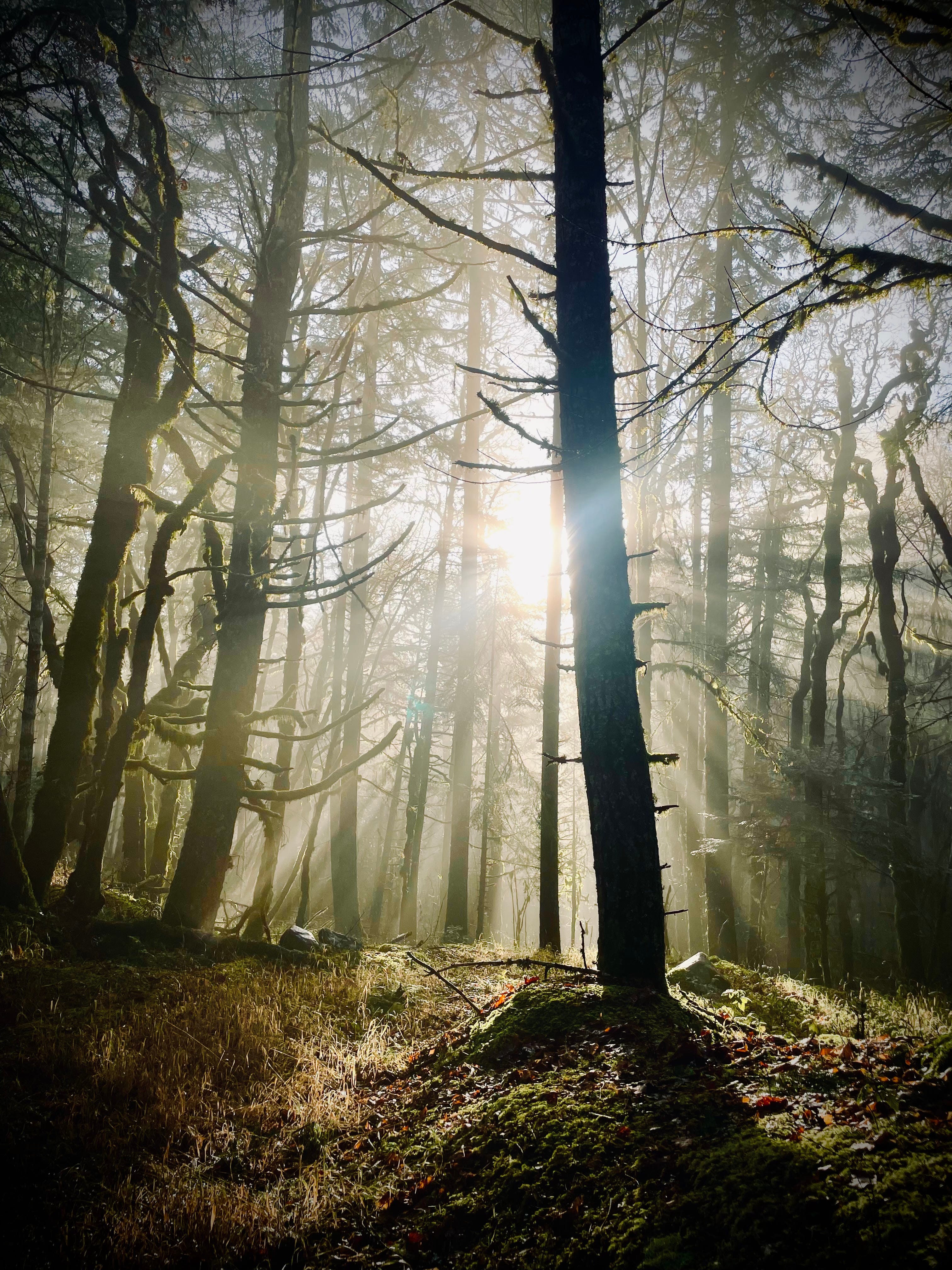
Photo by Brian L./The Corvallis Inquirer
On Thursday, the BLM released a “Notice of Intent” to revise management plans for approximately 2.5 million acres of federal land. The proposal, aimed at advancing the Trump administration’s “Immediate Expansion of American Timber Production” executive order, seeks to return timber harvests to levels not seen since the 1960s—a move that local advocates say would effectively end decades of old-growth protections.
Local Impacts: Marys Peak and Alsea Falls For residents of Benton and surrounding counties, the proposal hits close to home. The BLM manages scattered parcels across the region that include some of the last remaining low-elevation old-growth forests. According to an initial analysis by the nonprofit Oregon Wild, several beloved local recreation sites and ecological landmarks are within the areas targeted for reevaluation, including:
Marys Peak: The highest point in the Coast Range and a critical watershed.
Alsea Falls: A popular destination for hikers and mountain bikers.
Crabtree Valley and the Valley of the Giants: Home to some of the oldest and largest trees in the state.
“The public does not want to go back to the days of rampant old-growth clearcutting,” said Chandra LeGue, Senior Conservation Advocate for Oregon Wild. “These are treasured public lands, and we’re going to fight for them.”
Economic Growth vs. Environmental Risk The administration argues that the plan is necessary to revive local economies and manage wildfire risks. Acting BLM Director Bill Groffy stated that “bringing timber production back to historic levels is essential for reviving local economies and reducing the threat of catastrophic wildfires.”
Travis Joseph, president of the American Forest Resource Council, a logging industry trade group, welcomed the news. He noted that many BLM lands are currently “overstocked,” increasing the risk of catastrophic fire, and described the areas as “some of the most productive timberlands in the world.”
However, conservationists and some scientists disagree. They point to the BLM’s own previous environmental analyses which suggest that clearcutting and dense replanting can actually increase fire hazards for up to 50 years. Furthermore, they warn that the plan’s proposal to shrink stream buffers to as little as 25 feet could devastate habitat for endangered coho salmon and steelhead.
The “God Squad” and Legal Hurdles The proposal marks a sharp departure from the 2016 Resource Management Plans, which protected most trees over 40 inches in diameter or those established before 1850. To bypass existing protections for the northern spotted owl and marbled murrelet, the administration has indicated it may convene the “God Squad”—a rare committee with the authority to override the Endangered Species Act.
How to Get Involved The BLM’s announcement has kicked off a 30-day public scoping period. The agency does not currently plan to hold any public meetings before releasing its full proposal.
Local residents wishing to weigh in on the future of Marys Peak, Alsea Falls, and other Western Oregon forests have until March 23, 2026, to submit formal comments to the Bureau of Land Management.
— The Corvallis Inquirer, Feb. 22, 2026
At a Glance: The Proposed Revisions
Scope: Affects 2.5 million acres across 17 Western Oregon counties.
Logging Levels: Seeks a return to 1960s-era “maximum” production (roughly 1 billion board feet annually).
Protections: Proposes eliminating many “Late Successional Reserves” (old-growth areas) and reducing river buffers.
Public Comment Deadline: March 23, 2026.
→ Support us
We’ll keep it ad free even if you don’t

.