
When the Corvallis School District voted to close two schools: Letitia Carson Elementary and Cheldelin Middle School… the decision was framed as a financial necessity.
But for many Corvallis families, the closures are raising deeper questions: Who loses the most when neighborhood schools disappear?
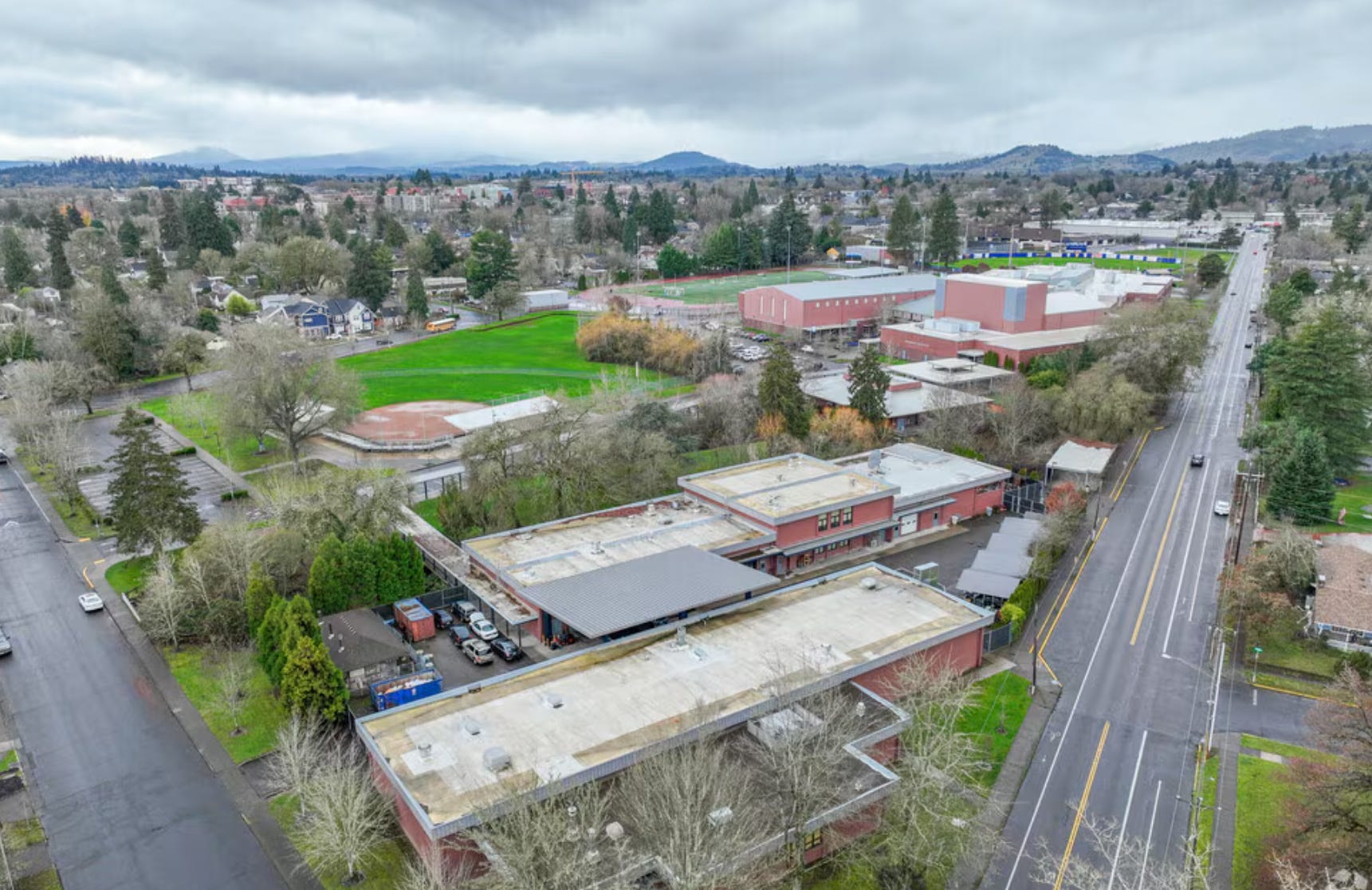
Corvallis’ overall median household income is about $65,000, but neighborhood incomes can vary dramatically… from around $50,000 in parts of Southtown to more than $90,000 in northwest Corvallis. The schools slated for closure serve neighborhoods closer to the lower end of that spectrum.
The Official Reason: Declining Enrollment and Budget Cuts
District leaders say the closures are driven by a shrinking student population and budget pressure.
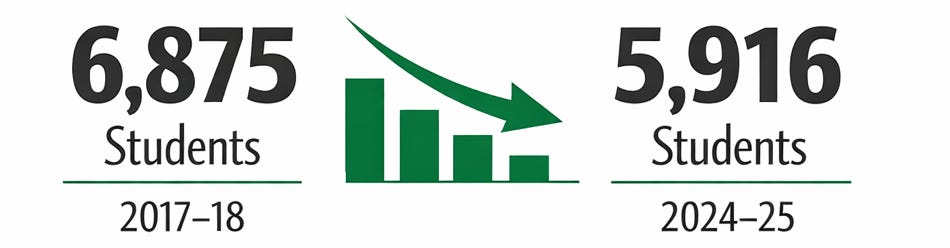
At the same time, the district faces a projected $4 million budget deficit and has already cut millions in recent years.
To reduce costs and better use existing buildings, the school board voted 6–1 to close Letitia Carson Elementary and Cheldelin Middle School, with the changes taking effect starting in the 2026 school year.
The consolidation plan will redistribute roughly 953 students into other schools across the district and restructure grade levels, including shifting sixth grade into elementary schools and converting the remaining middle school into a junior-high model.
Officials say the changes could save around $3 million annually. But critics say the numbers don’t tell the whole story.
Why the Closures Are Controversial
School closures are rarely just about buildings. They reshape communities.
Research cited by education experts shows students forced to change schools after closures often experience short-term declines in attendance and academic performance, with potential long-term impacts on college completion and earnings.
In Corvallis, the debate has become particularly heated because of where the closures are happening.
Several critics argue the schools targeted for closure are concentrated in northeast Corvallis, an area with different socioeconomic characteristics than some other parts of the city.
There is a growing concern among parents and community members that the consolidation could widen educational disparities within the district.
A Question of Geography and Wealth
Neighborhood schools often reflect the demographics of the areas they serve.
When a school closes, students are redistributed… sometimes into schools that already have different funding structures, parent fundraising capacity, or demographic makeup.
In Corvallis, some families worry that the closures may unintentionally deepen divisions between:
schools serving more affluent west-side neighborhoods, and
schools serving more diverse or lower-income populations.
While the district has not framed the decision in those terms, the optics have fueled a perception among some residents that the burden of consolidation is not evenly shared.
School board member Judah Largent, the lone “no” vote on the closure plan, argued during deliberations that the district should reconsider closing neighborhood schools while still maintaining specialty or lottery-based programs. For critics, that question gets to the heart of the debate:
If enrollment is declining, which schools get protected, and which ones disappear?
What Happens Next
Under the current plan:
Letitia Carson Elementary will close after the 2025–26 school year
Cheldelin Middle School will also close
students will be reassigned to other schools such as Mountain View, Bessie Coleman, and Kathryn Jones Harrison.
The district may face additional consolidation decisions in the coming years if enrollment continues to decline.
The Larger Question for Corvallis
At its core, the debate isn’t just about budgets. It’s about the role neighborhood schools play in shaping communities.
Closing a school doesn’t just move students… it can shift where families choose to live, where property values rise or fall, and how resources flow through a city. In a college town like Corvallis, where education is central to the community’s identity, those decisions carry long shadows.
— The Corvallis Inquirer, March 13, 2026

Do you have a story for The Inquirer? Email: editor@corvallisnow.com

→ Support us
We’ll keep it ad-free even if you don’t.

