

The City Council is set to discuss the potential implementation of a local payroll tax or personal income tax during a work session on May 7. The discussion is spurred by the City facing a significant and growing budget gap tied to both operational costs and future facility investments.
Even if implemented, this would take 2 or more years to take effect “depending on the structure and means of administering and collection of the tax.”
The City Council work session is on May 7, at 4:00 p.m., Madison Avenue Meeting Room, 500 SW Madison Avenue. There is also a zoom link available: https://us06web.zoom.us/webinar/register/WN_Pn6u6a_XQQOpyf0mePbpFA
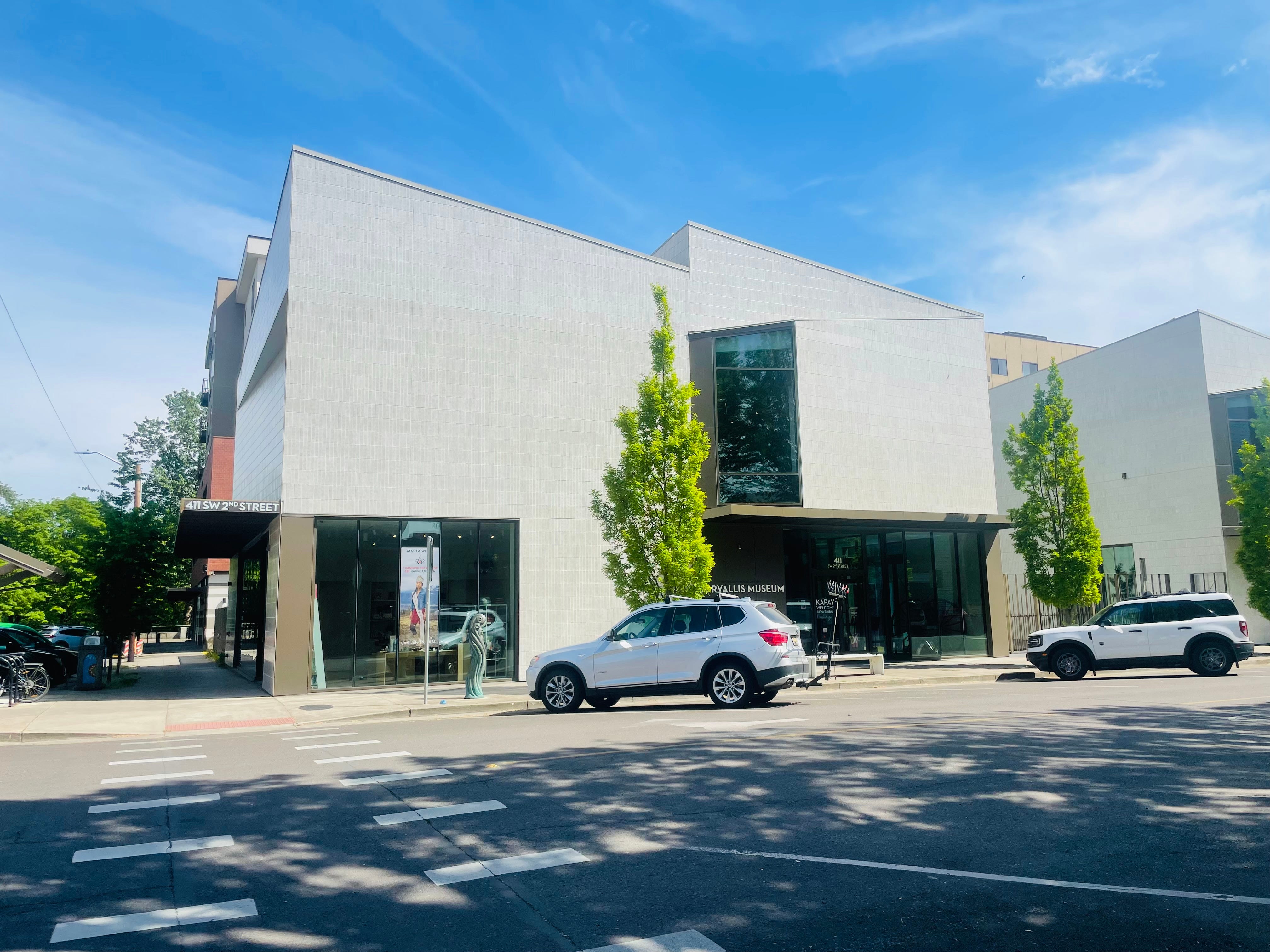
According to the work session agenda, Corvallis is currently facing an estimated $18.4 million annual funding need, including roughly $14.3 million for police and civic campus facilities and about $4 million for ongoing operations.
To address this gap, Council previously directed staff to explore new revenue options, including a payroll tax and a personal income tax. Both options could fund long-term operations as well as major capital projects, but they differ in how they are applied and who they could impact.
These are the options listed in the work session agenda:
Option A) Flat rate Payroll Tax, with No Exceptions: A 1% rate shared evenly by Employers & Employees, with no exceptions.
Option B) Flat rate Payroll Tax, with Exceptions: A 1% tax, shared evenly by Employers & Employees, with a full exemption for Employees earning below 60% of Area Median Income (AMI)
Option C) Flat Rate Personal Income Tax: A 0.68% rate applies to all taxable income.
Option D) Graduated Personal Income Tax: A 1% to 2% tax applied based on filing status and total taxable income.
A payroll tax would apply to wages earned within the city and could be split between employers and employees. A personal income tax would apply to the income of residents.
Staff noted that either option would likely require additional administrative resources. In other words, implementing any of these tax options would bring in more revenue for the city, but it’s not free… there are costs involved in collecting and administering that revenue. In some cases, a personal income tax could potentially be administered by the State of Oregon, reducing the local administrative burden.
Several potential structures will be reviewed, including flat-rate and graduated tax models, as well as options that exempt lower-income residents.
Stay calm. At this stage, the discussion is for information only, with no immediate action planned. The conversation does signal that new local taxes are being seriously considered as part of the long-term financial strategy.
In terms of Area Median Income (and this will obviously change in the future, if and when the taxes get implemented), this applies to option B and option D.
According to 2025 HUD data, the 2025 Area Median Income for a four-person family in the Corvallis area is $126,300. That’s considered “100% AMI” used for housing programs and policy discussions. So at 60%, a 4-person household earning below $75,780 (at current AMI) would be exempt from the tax in option B.
Option D would most likely include a sliding scale, where lower-income tiers pay a smaller percentage compared to higher-income households.
These tax options are still a long way off, but this marks the start of the discussion. Based on the options presented, it appears the city is weighing either a payroll tax or an income tax, not both. Options A and B involve payroll taxes, while options C and D involve income taxes.
We’ll see what happens.
Do you have a story for The Inquirer? Email: editor@corvallisnow.com


→ Support us
We’ll keep it ad-free even if you don’t.

