

The address doesn’t matter, nor do the organizers’ names or the names of those who attended. What matters is that a basement existed, here in town, a basement that created something beyond a party, a show, or a typical music venue.
This place and the people behind it… they created memories, community, and a safe space. Not only did they give back, but they gave people something to look back on.
Those who knew called it Bunker Bunker Bunker.
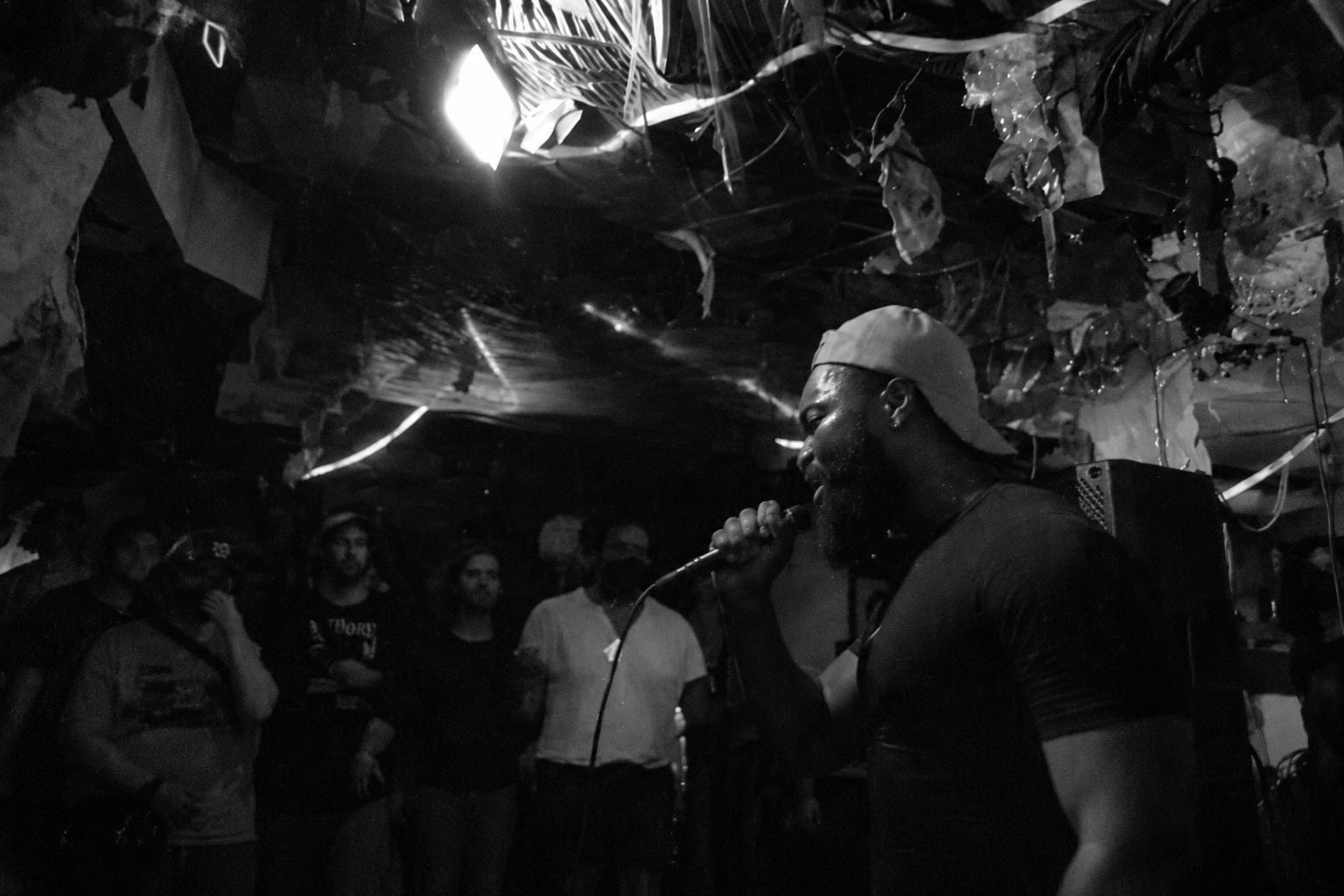
(Photos via Bunker Bunker Bunker Community Pages and Patrons)
Finding it required knowing someone, hearing about it through word of mouth, or sending a message to a social media account. The secrecy was practical. Bunker Bunker Bunker was not a traditional licensed music venue with a marquee, ticket counter, or permanent public address.
It was a home, and it was a home in more ways than one.
Have you ever seen the movie “Fight Club,” when Edward Norton’s narrator describes the basement while following traces of Tyler Durden? “The feel of the floor… still warm from the fight the night before.”
That’s how we view Bunker Bunker Bunker… a basement still holding the lingering energy of a crowd, the warmth and smell left behind by a room full of people who shared something that could never happen in quite the same way again.
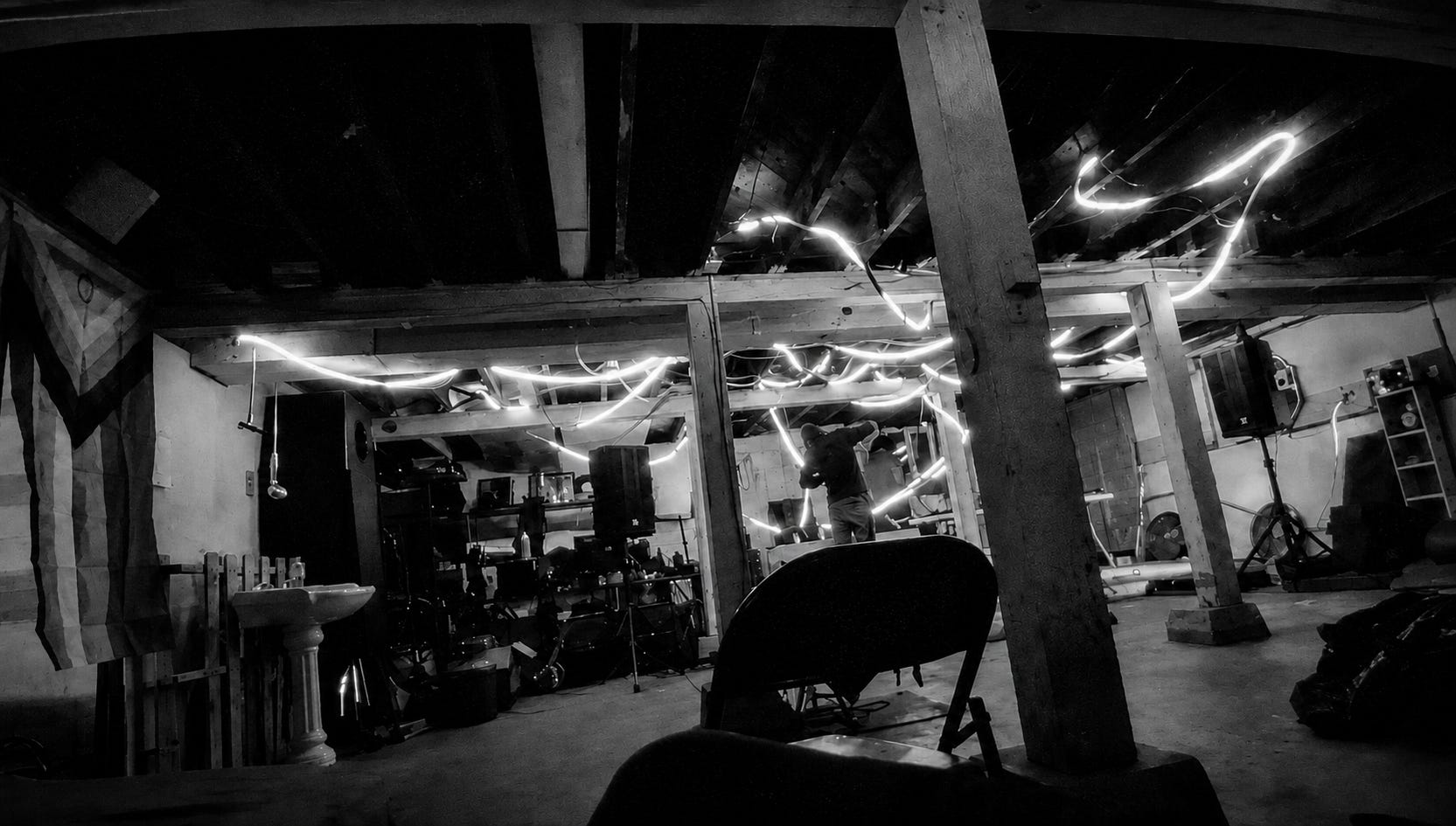
As exposed wooden beams criss-crossed the ceiling, musicians performed only a few feet from the crowd, sometimes in the crowd, and sometimes with the crowd.
For roughly three years, this basement became a creative space where people could feel safe and let the problems of the world, and their world, disappear, even if only for a few hours.
Bunker Bunker Bunker hosted punk, hardcore, metal, electronic, and experimental music, puppet shows, art vendors, and events that are difficult to place into any one single category. Maybe that’s what made them so great. They categorized nothing.
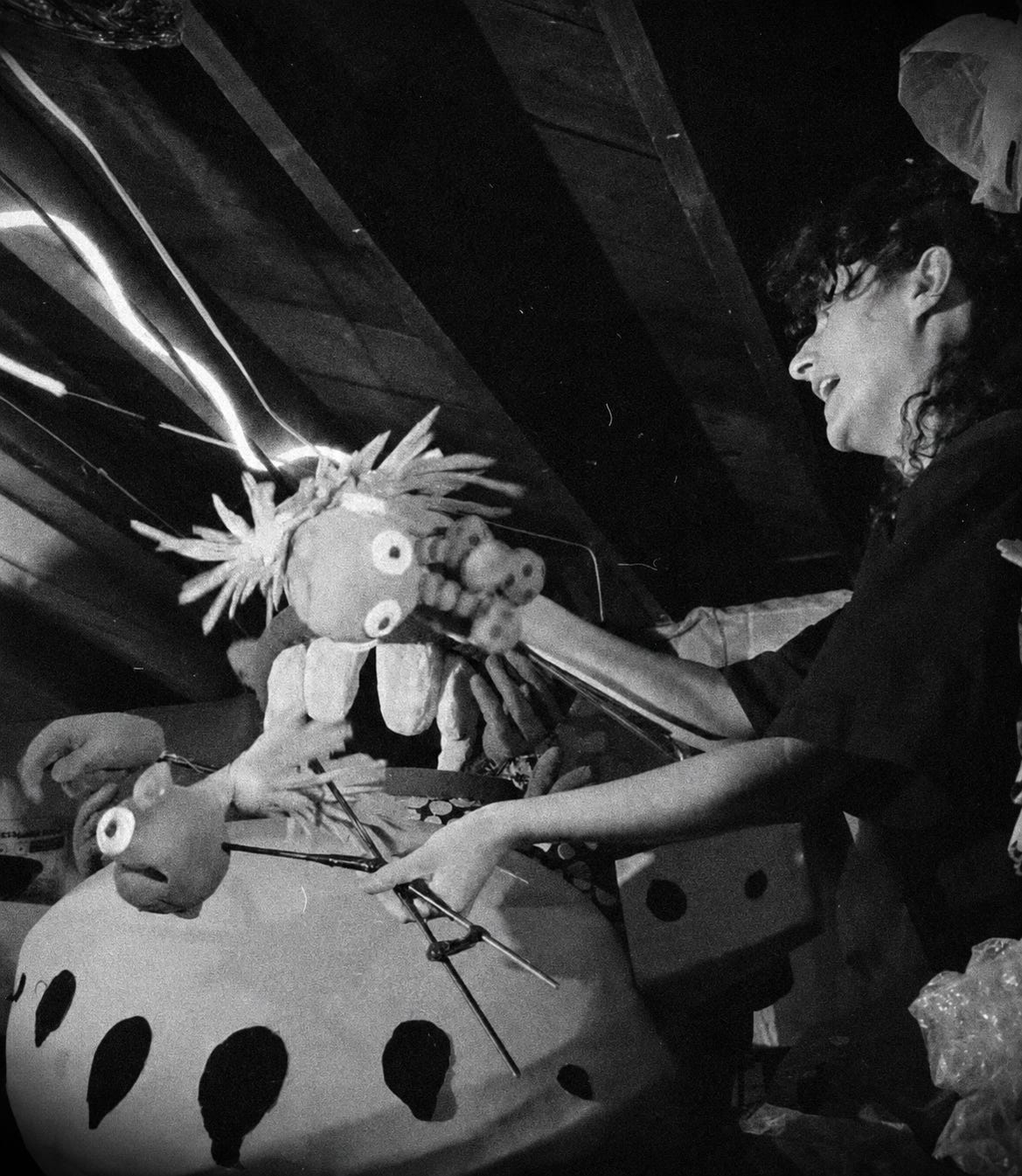
Shows carried counterculture-like names such as “Broken Hearts Ball,” “Freak Out,” and “Trash Church.”
Trash Church invited people to “kneel at the landfill” and ask why they were here. Metaphorical, yes… but we’d be willing to bet that the answer, if a person even came to one at the time, might come much later in life.
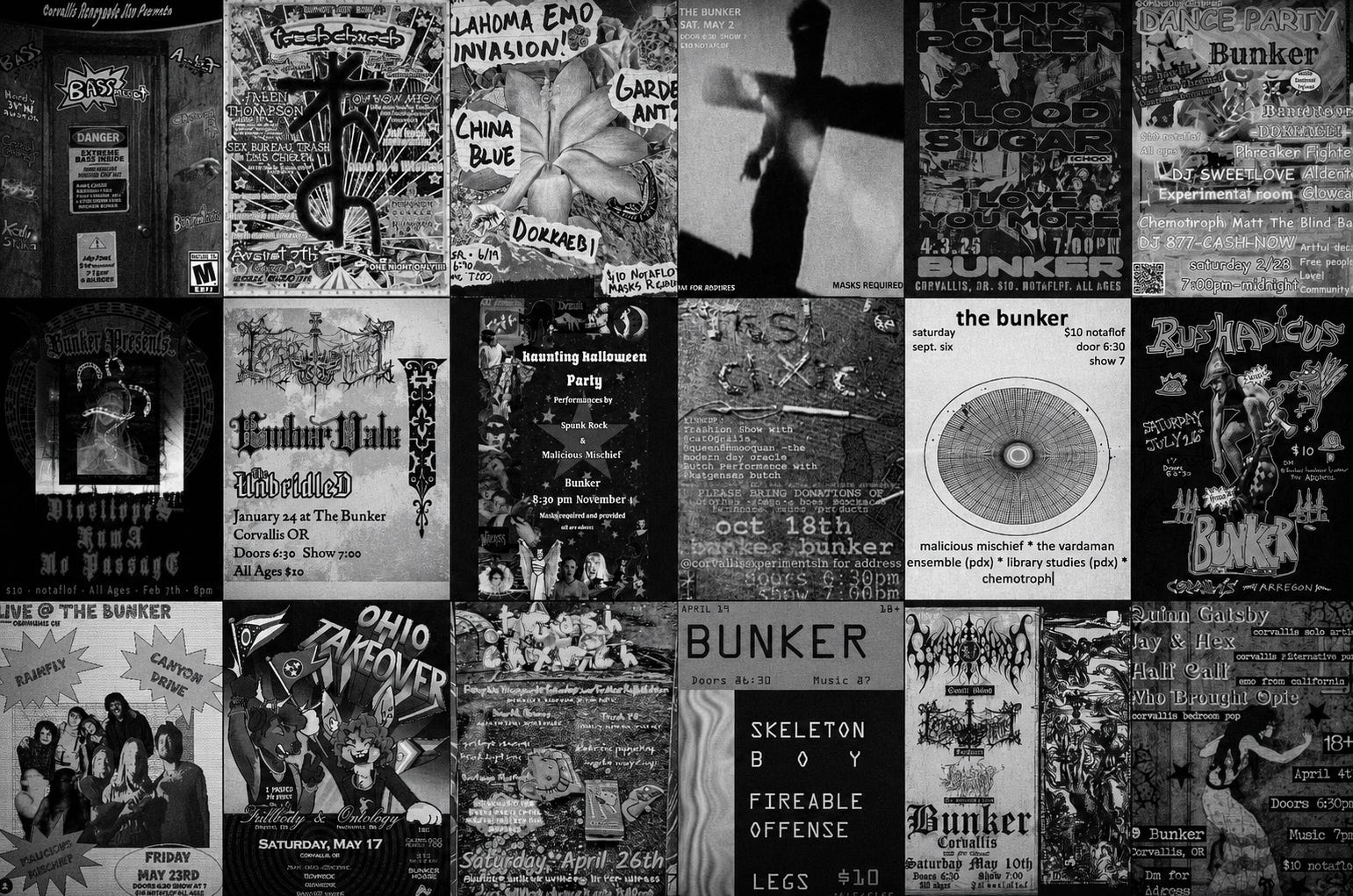
Their show flyers and announcements included traveling acts, art vendors, a “trashion show,” garbage prophecy, waste cults, dross magic, detritus baptisms, and rubbish non-dualism.
Some of the bands that performed included Pink Pollen, Blood Sugar, The Unbridled, Reptile Love Child, and Oh Wow Meow. Local musicians often shared the room with touring artists, sometimes bringing together sounds and performances that would have struggled to fit on a conventional stage.
Bunker Bunker Bunker was not conventional. They did not conform, and they protected their family of enthusiasts. Maybe “Trash Church” was a metaphor for throwing out the things in life that were conventional, the things that made sense to you that very day. Things that fit into the order of our lives and the path we are supposed to take, but do not fit the ideology of our inner worlds.
The venue was also themed as a safe space for queer people, people of color, and others who had not always felt comfortable in parts of the existing house-show or bar scene.
As Bunker Bunker Bunker put it, “There were a bunch of old house show venues that didn’t feel as comfy, especially as someone who’s queer, trans, or any sort of marginalized identity,” a Bunker member told Beaver’s Digest earlier this year. “We ended up just making a venue for people who don’t feel comfortable going to other places.”
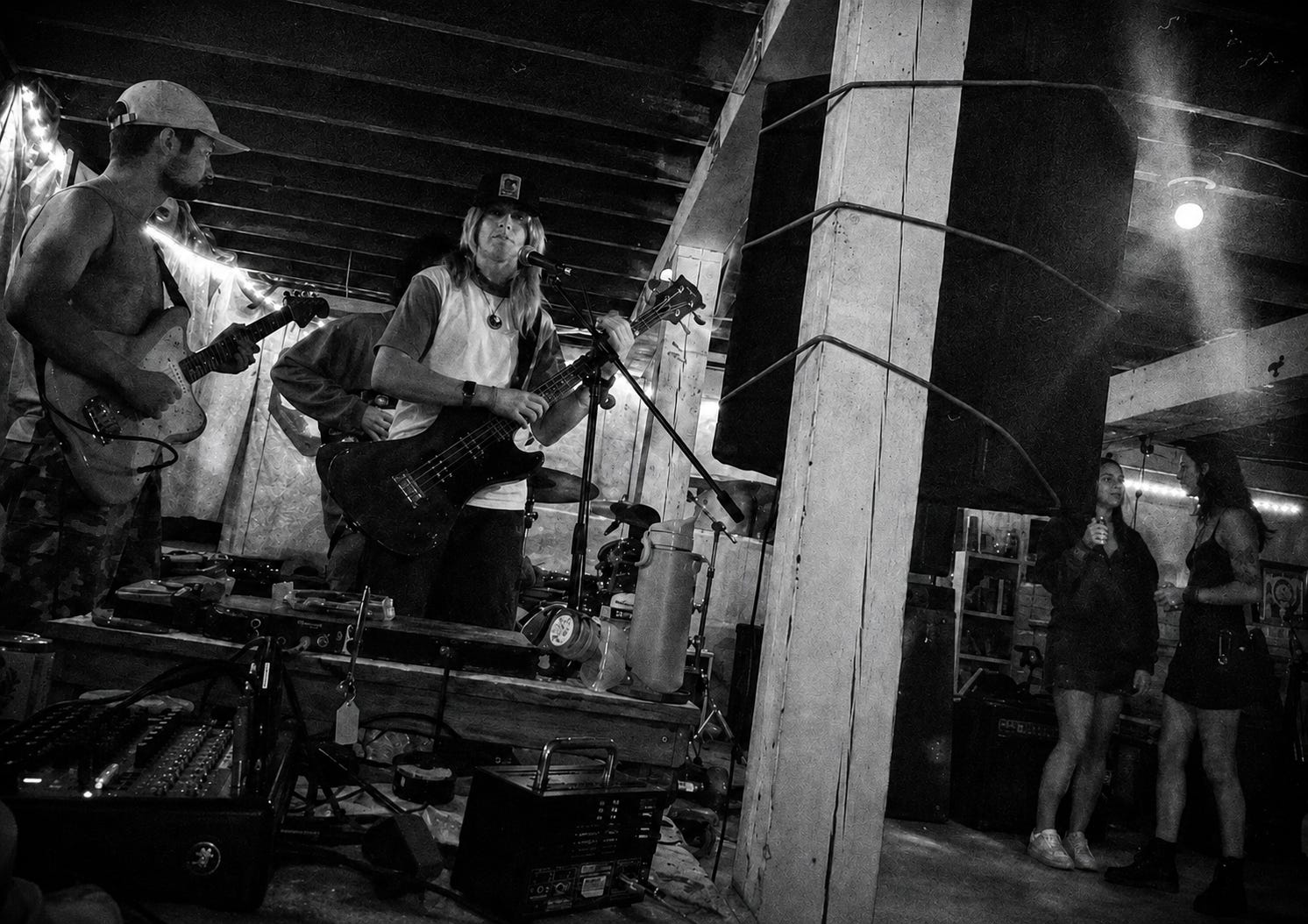
Events also followed a NOTAFLOF policy, an acronym meaning “no one turned away for lack of funds.” A suggested admission price could help pay performers and support the venue, but a lack of funds would not keep someone outside.
Some events raised money for charities of choice, local causes, or community organizations. Others incorporated art markets, workshops, and a safe space for local creators to sell their work. The basement gifted musicians a place to perform, but it also gave artists, photographers, organizers, and people who were just looking for somewhere to belong… and a place to participate.
“We like the idea that the house can be more than just music, that you can come and hang out, make connections, and meet people,” Bunker member Joules Brandell told Beaver’s Digest.
Creating a safer space is not just about words on a flyer. Actions often speak louder.
After one show, Bunker’s organizers publicly acknowledged that there had been an increase in misgendering and disrespect toward members of the house. They said they would change parts of the venue’s operations in order to better uphold its zero-tolerance policies, and to “protect and support our marginalized communities.”
It was a recognition that even a space created around safety could not simply assume everyone entering it understood or respected that purpose. Bunker’s organizers were willing to defend the culture they were attempting to build, even when doing so required calling attention to problems inside their own house.
It’s not just about standing in front of a stage or on one. We all stand on that stage every day. It’s about life, and how you perform it. It’s about standing up for what you believe in.
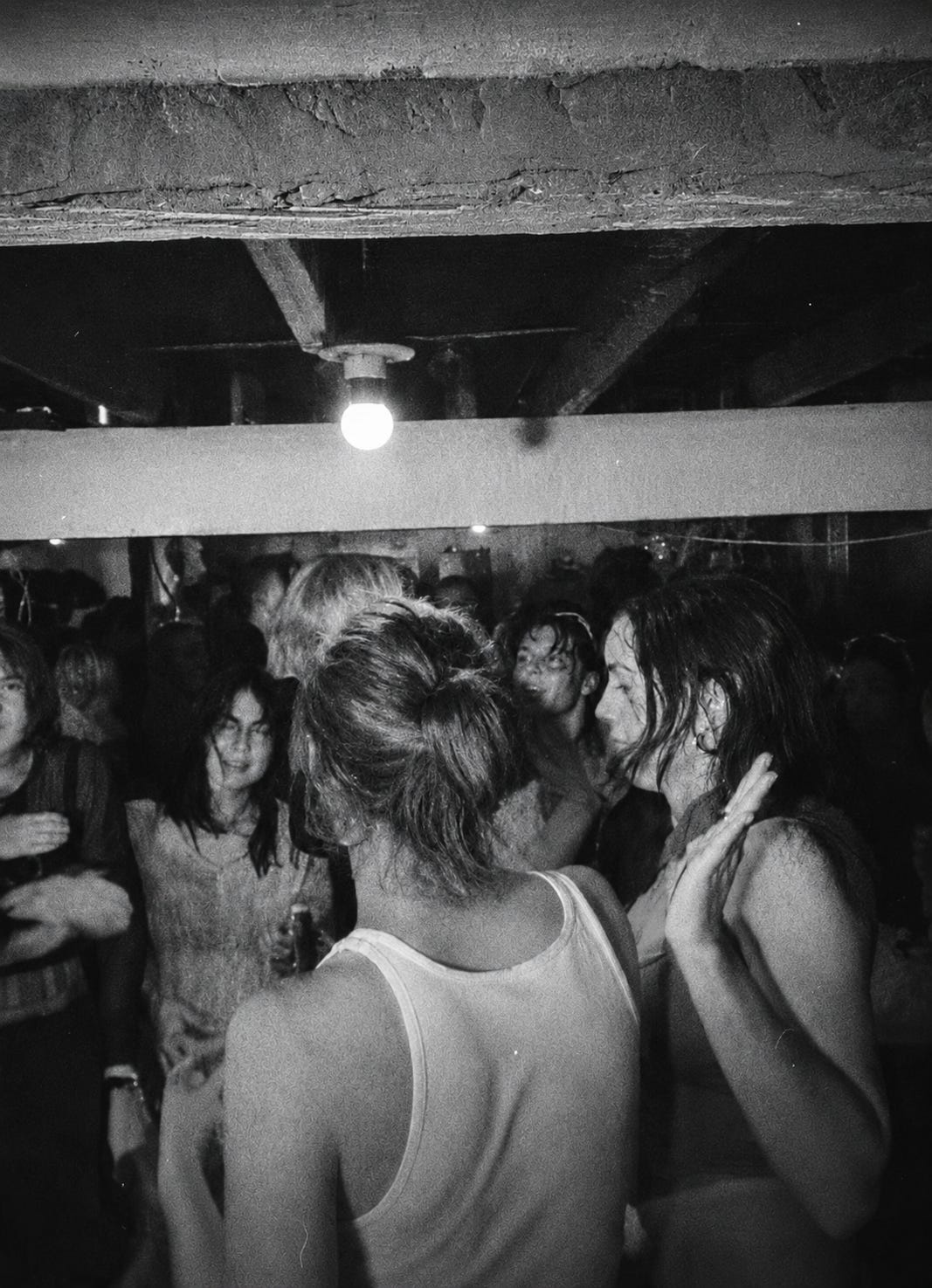
At the Bunker, bands didn’t just perform in front of an audience. They performed within the ideology surrounding it.
This is a city where much of public life takes place through recognized institutions: events in theaters, artists in galleries, public figures on councils, vendors at markets, game nights, trivia nights, sponsored events, coworkers, friends, and family.
Bunker Bunker Bunker went against that grain. It was not built by an institution or presented by a sponsor. It was created inside a home by people who saw a need, opened their basement, opened their hearts, sacrificed their time, and made a gift, not only for showgoers, but also for themselves.
Bunker’s final show was held on August 7. The announcement described it as the last Bunker “Trash Church” and an opportunity to “send off the venue with lots of love.”
The farewell included out-of-town performers, skits, puppet acts, and a final ceremony. Like much of Bunker’s history, it mixed music, humor, art, and ritual into something that would have been difficult to reproduce anywhere else.
As you get older and wiser, you often become more aware of a moment while it is happening. You begin to understand its magnitude, or what it might mean later on down the road.
When we are younger, we are often lost in that moment.
Bunker Bunker Bunker held those moments for many people here. We hope they were lost in those moments while they were happening… and we hope they will reflect on their meaning further down the road.
The definition of a bunker is: a strong, usually underground shelter built to protect people. Maybe this basement did just that.
“One man’s trash is another man’s treasure”
This article was written by Brian Lindensmith, a contributor to The Corvallis Inquirer. Thanks to everyone we reached out to and gave their input on Bunker Bunker Bunker. Feel free to send us your stories or articles to publish at: editor@corvallisnow.com
More recent stories:


Do you have a story for The Inquirer? Email: editor@corvallisnow.com


→ Support us
We’ll keep it ad-free even if you don’t.

