

It started, as many cold cases do today, with DNA.
More than 50 years after she disappeared, 17-year-old Laura Ann Aime has now been officially confirmed as another victim of Ted Bundy… a development that has made national headlines this week. But while the case itself unfolded in Utah, the news has pulled attention back to something closer to home.
The Walk Across Campus. It was late on May 6, 1974. Spring term at Oregon State University was in full swing, and campus still carried that quiet, steady energy of students moving between dorms, study sessions, and late-night routines.
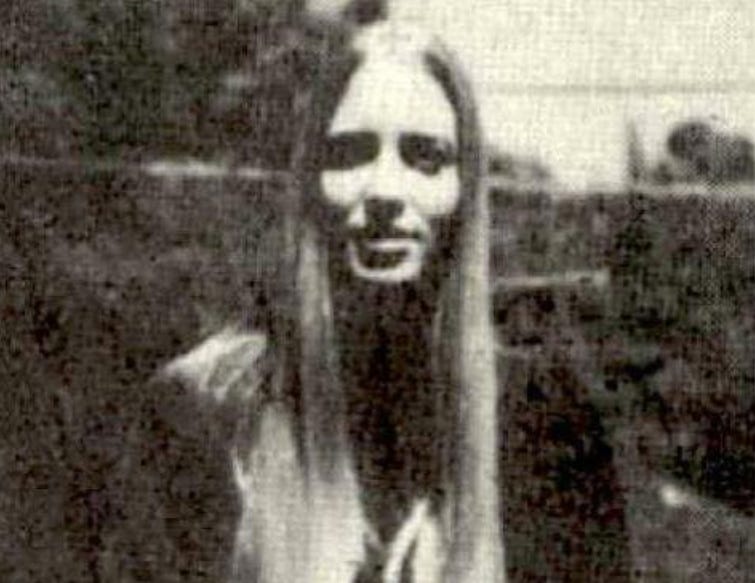
Roberta Kathleen “Kathy” Parks stepped out of Sackett Hall sometime around 11 p.m.
She wasn’t going far, just across campus to the Memorial Union. The kind of walk students make without thinking. One building to another. A familiar path, well within the boundaries of a place that felt safe.
On the way, she stopped briefly and spoke with another student. A normal moment. A passing conversation. Then they went their separate ways, and Kathy continued on alone into the night.
She never made it.
There was no clear moment where anything changed. No one saw a struggle. No one heard anything unusual. Just the time between where she started, and where she planned on ending up.
Friends waited at the Memorial Union. Minutes turned into something longer. The kind of delay that doesn’t immediately raise alarm, until it does. And then she was simply… gone.
In May of 1974, there wasn’t a name people could point to. There wasn’t a pattern anyone fully understood. But across the Pacific Northwest, young women were disappearing. College towns. University campuses. At the time, they were separate stories.
Only later would they be connected to one person: Ted Bundy.
Years later, Bundy would describe encounters that all sounded the same. He didn’t force his way into situations. He stepped into them. A conversation. A question. A moment that felt ordinary enough to trust. People often said he was charming and kind.
Bundy lived in Washington, but in order to throw off possible investigators, he came to Corvallis. Earlier that evening, Kathy had received a call from her sister with news that their father had suffered a heart attack. He was expected to recover, but it was enough to weigh on her. At the same time, she had been dealing with the kind of pressures many students face, falling behind in classes, navigating a complicated relationship, trying to keep everything together.
It wasn’t one thing. It was a mix of things. The kind of night where your mind is somewhere else, even as you move through familiar places.
Somewhere along that short walk across campus, Kathy crossed paths with him. Not in a way that stood out. Not in a way that would have drawn attention. Just another interaction in a place full of them. As many college campuses have.
And then, quietly, she was pulled out of a place she believed to be safe. He took her north, out of Corvallis, back into Washington.
That’s where her story ended.
What makes Kathy Parks’ story stay with you isn’t just what happened, it’s how easily it fits into the present. That walk still exists.
Students still leave Sackett Hall late at night. They still head toward the Memorial Union. They still pass through the same intersections, under the same trees, following the same paths on campus. Nothing about the setting feels dangerous. That’s what makes it unsettling. Because it didn’t feel dangerous then, either.
This week’s confirmation of another Bundy victim has brought his name back into the headlines. New technology is still solving pieces of a story that began more than half a century ago. This part of that story… never really left our town.
It lives in the distance between two buildings. In the idea that something significant can happen in the middle of something completely ordinary. Another normal day. A short walk. A brief conversation. A night like any other. In a small college town.
Do you have a story for The Inquirer? Email: editor@corvallisnow.com


→ Support us
We’ll keep it ad-free even if you don’t.

